Every home cook knows the struggle: wrestling with stubborn produce, trying to achieve that perfect peel without sacrificing a fingertip. The humble peeler, a staple in any kitchen, comes in various forms, primarily categorized into two main styles: horizontal (Y-shaped) and vertical (swivel or straight). Understanding the nuances of each can transform a mundane chore into a swift, efficient task. This comprehensive guide will dissect the pros and cons of horizontal and vertical peelers, helping you discover which tool is the right fit for your culinary adventures and peeling preferences.
Understanding the Basics: Horizontal (Y-Peeler) vs. Vertical (Swivel Peeler)
Before diving into the specifics, let’s clarify what defines each peeler type.
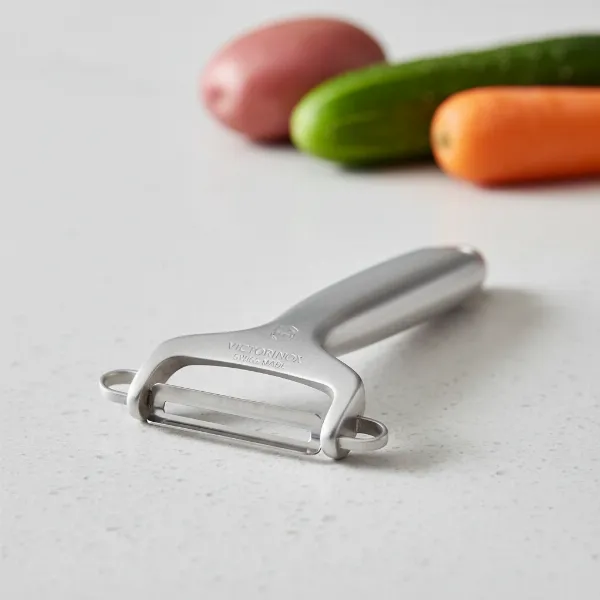
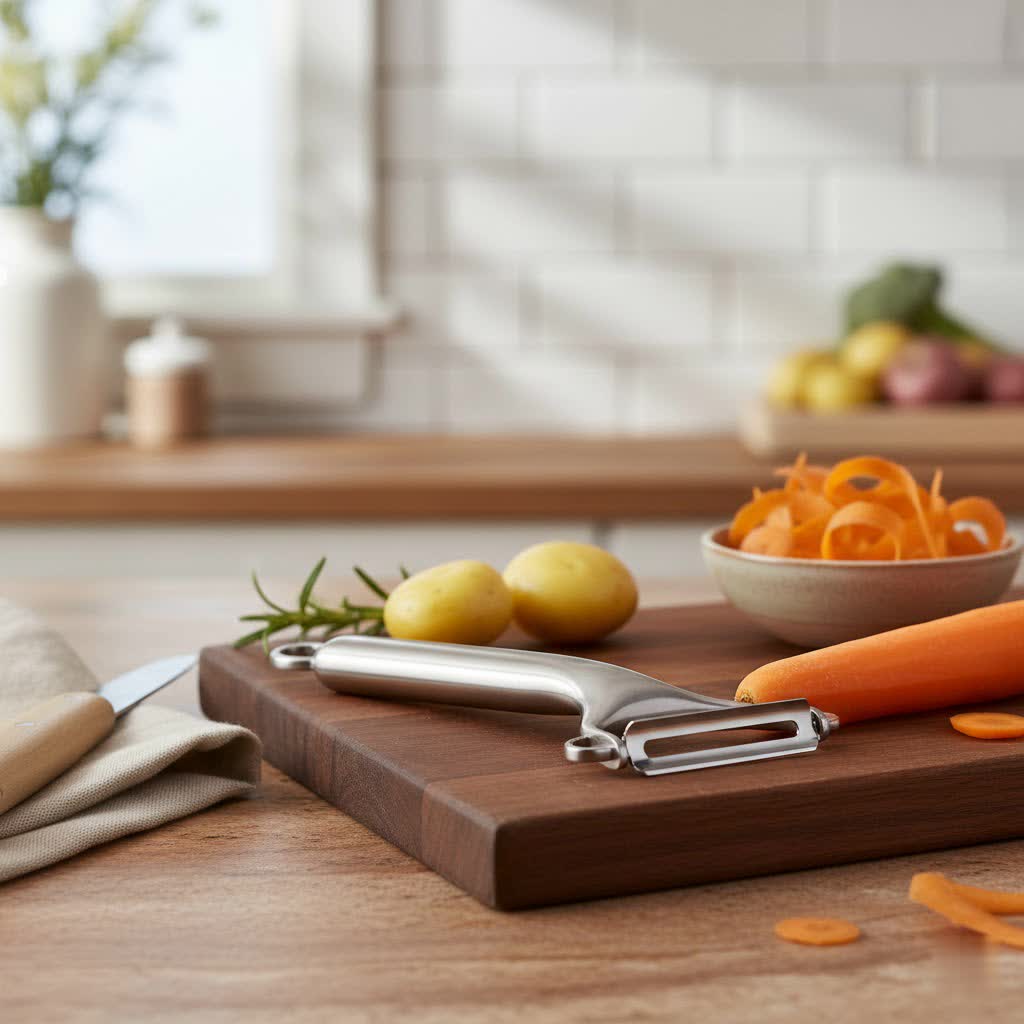
Horizontal Peelers, often recognized by their distinctive “Y” shape, feature a blade positioned perpendicular to the handle. This design allows for a broad peeling motion, typically away from the body or across the surface of the food. The name “Y-peeler” comes from the ergonomic handle that forms a “Y” around the blade.
Vertical Peelers, conversely, have their blade aligned parallel to the handle. Also known as “swivel” or “straight” peelers, these tools are used with a downward or upward motion, similar to how one might use a knife to pare. The swivel mechanism allows the blade to glide over the contours of vegetables, minimizing waste.
The Horizontal Peeler (Y-Peeler): Pros and Cons
The Y-peeler is a favorite among many professional chefs and home cooks alike, known for its efficiency and unique handling.
Design and Grip
|
Our Picks for the Best Peeler in 2026
As an Amazon Associate I earn from qualifying purchases.
|
||
| Num | Product | Action |
|---|---|---|
| 1 | OXO Good Grips Y-Peeler |

|
| 2 | Linden Sweden Original Jonas Vegetable Peeler - Rust Resistant Silver Carrot and Potato Peeler with Ergonomic Handle for Safety and Control - Dishwasher Safe and Compact - Made In Sweden - 6.5in |
|
| 3 | Rainspire Vegetable Peeler Potato Peelers for Kitchen, Sharp Stainless Steel Blades Veggie, Comfortable Handle Fruit Peeler, Carrot Peeler Apple Peeler Dishwasher Safe Black, 1-Pack |
|
| 4 | 2PCS Premium Vegetable Peeler with Wooden Handle and Bottle Opener, Multi-Functional Vegetable Peeler, Stainless Steel Blade Kitchen Tool for Fruit |
|
| 5 | KitchenAid Classic Euro Peeler, 8.6 inches, Black |
|
| 6 | Spring Chef Premium Swivel Vegetable Peeler, Soft Grip Handle and Ultra Sharp Stainless Steel Blades - Perfect Kitchen Peeler For Veggie, Fruit, Potato, Carrot, Apple - Black |
|
| 7 | TACGEA Vegetable Peeler for Kitchen, Potato Peelers for Fruit Straight Blade, Durable Non-Slip Handle, Set of 2 |
|
| 8 | Kuhn Rikon Original Swiss Peeler 3-Pack Red/Green/Yellow |
|
| 9 | OXO Good Grips Swivel Peeler |
|
| 10 | FUHUY Vegetable, Apple Peelers for kitchen, Fruit, Carrot, Veggie, Potatoes Peeler, Y-Shaped and I-Shaped Stainless Steel Peelers, with Ergonomic Non-Slip Handle & Sharp Blade, Good Sturdy (2PCS) |
|
The Y-peeler’s design typically features a wider, more substantial handle that offers a comfortable and secure grip. This ergonomic shape allows users to hold the peeler with less tension, reducing hand fatigue during extended peeling sessions. The horizontal blade setup often means you’re pulling the peeler towards or away from you, utilizing a different set of muscles than a vertical peeler.
Advantages of the Y-Peeler
- Superior for Large, Round Produce: Y-peelers excel at tackling large, oddly shaped, or round vegetables and fruits such as potatoes, butternut squash, pumpkins, and apples. The wider blade and broad stroke allow for quick, efficient removal of skin with fewer passes.
- Enhanced Control and Power: The grip of a Y-peeler often provides more leverage, giving users greater control over the pressure applied. This is particularly useful for tougher skins or when you need to make deeper, more precise cuts. The design allows for a firm hold that feels more stable for many.
- Versatility Beyond Peeling: Beyond basic peeling, Y-peelers are excellent for creating vegetable ribbons for salads, garnishes, or even shredding cabbage for coleslaw. Their broad blade makes them adaptable for various kitchen tasks that require thin, even slices.
- Ambidextrous Use: Many Y-peelers are inherently ambidextrous, making them comfortable for both left and right-handed users without requiring specific adjustments.
- Professional Preference: In professional kitchens, Y-peelers are frequently preferred due to their speed and efficiency, especially when dealing with large quantities of produce.
Disadvantages of the Y-Peeler
- Challenging for Small or Irregular Produce: The wide blade that makes Y-peelers efficient for large items can become a hindrance when dealing with very small vegetables like radishes or thin, irregular items where precision is paramount.
- Learning Curve for Some Users: For those accustomed to vertical peelers, the different hand motion and grip required for a Y-peeler might take some getting used to. Some users initially find the exposed blade intimidating or perceive it as less safe.
- Potential for Wider Peels: While good for speed, the broad blade might sometimes remove a thicker layer of peel than desired, potentially leading to more waste if not handled carefully.
Usage Tips for Y-Peelers
Hold the vegetable firmly in one hand and the peeler in the other. For large items, use a pulling motion away from your body, letting the blade glide over the surface. For longer vegetables, you can rest one end on a cutting board for stability and peel downwards. Experiment with different grips to find what feels most comfortable and controlled for various types of produce.
The Vertical Peeler (Swivel/Straight Peeler): Pros and Cons
The vertical peeler is often the first type of peeler many people encounter, making it a common and familiar tool in home kitchens.
Design and Grip
Vertical peelers have a handle aligned with the blade, typically held like a knife. The defining feature is the swivel blade, which pivots slightly to follow the contours of the produce. Handles vary from slim designs to more ergonomic, thicker grips, but generally, the grip style mimics that of a knife.
Advantages of the Vertical Peeler
- Ideal for Long, Thin Produce: Vertical peelers shine when working with elongated vegetables such as carrots, cucumbers, parsnips, and asparagus. The parallel blade allows for long, continuous strokes down the length of the vegetable.
- Adapts to Contours: The swivel action of the blade is a significant advantage, allowing it to easily glide over the uneven surfaces and curves of produce, reducing the effort needed and minimizing the risk of digging too deep or missing spots.
- Precision for Smaller Items: The generally narrower blade and more focused peeling motion make vertical peelers excellent for smaller vegetables and fruits, or for intricate tasks where precision is required.
- Familiarity and Intuitive Use: For many, the vertical peeler feels more intuitive to use, mimicking the natural motion of using a paring knife. This makes it a great choice for beginners or those who prefer a traditional feel.
- Often Includes Eye Removers: Many vertical peelers come equipped with a small, sharp point or scoop on the side of the blade, perfect for removing potato eyes or blemishes.
Disadvantages of the Vertical Peeler
- Less Efficient for Large, Round Produce: Peeling large, round items like potatoes or squash can be more tedious with a vertical peeler, requiring numerous short strokes and more manipulation of the vegetable.
- Potential for Hand Strain: Depending on the handle design and the firmness of the produce, some users might find that vertical peelers require more hand strength or cause discomfort during prolonged use, particularly if they have carpal tunnel issues.
- Requires More Repetitive Motion: To cover the surface of a large vegetable, users often need to make many small, repetitive strokes, which can be less efficient than the broader strokes of a Y-peeler.
- Grip Can Be Less Secure for Some: While the knife-like grip is familiar, some users find it offers less overall leverage and stability compared to the wider hold of a Y-peeler, especially when peeling tough-skinned items.
Usage Tips for Vertical Peelers
Hold the vegetable firmly and use a steady, downward or upward stroke. Let the swivel blade do the work, adapting to the shape of the food. For optimal control, peel towards your thumb but keep your fingers safely away from the blade’s path. Utilize the eye remover for potatoes to efficiently clean out blemishes.
Direct Comparison: Horizontal vs. Vertical Peelers
To help you decide, let’s look at a side-by-side comparison of these two essential kitchen tools.
| Feature | Horizontal Peeler (Y-Peeler) | Vertical Peeler (Swivel/Straight Peeler) |
|---|---|---|
| Blade Position | Perpendicular to the handle | Parallel to the handle |
| Peeling Motion | Broad, pulling/pushing stroke (away from/across body) | Downward/upward stroke (like a knife) |
| Ideal Produce | Large, round, or oddly shaped items (potatoes, squash, apples) | Long, thin, or slender items (carrots, cucumbers, parsnips) |
| Grip & Control | Wider handle, more leverage, often more comfortable grip | Knife-like grip, less leverage for some, can cause strain |
| Versatility | Excellent for ribbons, shredding; quick for large surfaces | Adapts well to contours; good for small, precise tasks |
| User Experience | Fast, efficient, preferred by some professionals, learning curve | Familiar, intuitive for many home cooks, precise, less efficient for large |
| Safety Perception | Blade more exposed, but different leverage can be safer for some | Blade often feels more contained, but slips can be risky |
| Common Features | No potato eye remover usually | Often includes a potato eye remover |
Which to Choose for Specific Tasks?
- For Potatoes and Large Fruits: A horizontal (Y-peeler) is generally the more efficient and comfortable choice.
- For Carrots, Cucumbers, and Zucchini: A vertical (swivel) peeler will likely provide smoother, longer strips with less effort.
- For Delicate or Small Items: A vertical peeler offers better precision and control.
- For Making Vegetable Ribbons: A horizontal (Y-peeler) is often superior due to its wider blade.
Choosing the Right Peeler for Your Kitchen (Buying Guide)
Selecting the best peeler isn’t about one being definitively superior; it’s about matching the tool to your needs, comfort, and the type of produce you most frequently prepare.
Key Factors to Consider
- Your Most Common Produce: If your kitchen mostly sees potatoes and apples, a Y-peeler is a strong contender. If you frequently prep carrots and cucumbers, a vertical peeler might be more suitable. A diverse kitchen might benefit from having both!
- Ergonomics and Comfort: This is paramount. Test different handles if possible. Consider your hand size, strength, and any existing conditions like arthritis or carpal tunnel syndrome. A wider, cushioned grip (often found on Y-peelers) can be more comfortable for prolonged use, while a slimmer vertical peeler might feel more nimble.
- Left-Handed vs. Right-Handed Use: While many peelers are ambidextrous, some designs may favor one hand. Y-peelers generally offer more consistent left/right-handed comfort.
- Blade Material:
- Stainless Steel: The most common and durable. Look for high-quality stainless steel that resists rust and retains sharpness.
- Ceramic: Extremely sharp and holds an edge well, but more brittle and prone to chipping if dropped. Excellent for delicate fruits.
- Serrated: Features small teeth, ideal for soft-skinned fruits and vegetables like tomatoes, peaches, or bell peppers, which a smooth blade might tear.
- Durability and Longevity: Invest in a peeler from a reputable brand known for quality kitchen tools. High-quality materials and construction will ensure your peeler remains sharp and functional for years.
- Price and Brand Reputation: While peelers are generally inexpensive, good brands like OXO, Kuhn Rikon, and Victorinox consistently deliver high-performance tools that are worth the slight premium.
Expert Tips from the Kitchen
“The best peeler isn’t always the fanciest; it’s the one that feels like an extension of your hand. Prioritize comfort and blade sharpness above all else.”
- Consider a Set: If you’re truly torn or prepare a wide variety of produce, investing in a set that includes both a Y-peeler and a swivel peeler can be an excellent solution, equipping you for every task.
- Don’t Forget Specialized Peelers: For soft-skinned produce, a serrated peeler is invaluable. It prevents bruising and tearing, making quick work of delicate items that a smooth blade might struggle with.
- Maintenance is Key: Regardless of type, a sharp blade is a safe and efficient blade. Keep your peelers clean and dry after use to prevent rust and maintain their edge. While most aren’t designed for home sharpening, replacing a dull peeler is often the best course of action.
Top Peeler Recommendations
When it comes to highly-rated peelers, certain models consistently stand out for their performance and durability.
- OXO Good Grips Pro Swivel Peeler (Vertical): Often praised for its ergonomic, non-slip handle and exceptionally sharp, rust-proof stainless steel blade. It glides effortlessly over contours and is a go-to for many home cooks.
- Kuhn Rikon Y-Peeler (Horizontal): This Swiss-made peeler is a minimalist marvel. Lightweight, incredibly sharp, and surprisingly durable for its simple design, it’s a favorite for its efficiency, especially with larger vegetables.
- OXO Good Grips Prep Y-Peeler (Horizontal): Another strong contender from OXO, this Y-peeler offers the same comfortable grip and efficient design as its swivel counterpart, making it excellent for potatoes and wider produce.
- Victorinox Universal Peeler (Horizontal): Known for its razor-sharp blade and durable construction, this Y-peeler offers exceptional value and performance, making it a professional’s choice.
Each of these options brings a blend of comfort, durability, and superior peeling performance to the table. Reading detailed reviews and considering your specific peeling habits will guide you to the best choice.
Conclusion
Choosing between horizontal and vertical peelers ultimately boils down to personal preference, the types of produce you frequently prepare, and what feels most comfortable and efficient in your hand. Horizontal Y-peelers excel with large, round items and offer broad, powerful strokes, often favored for speed and control in professional settings. Vertical swivel peelers, with their adaptive blades, are ideal for long, thin vegetables and precise work, often feeling more intuitive to the everyday home cook.
Many kitchens benefit from having both styles on hand, allowing you to tackle any peeling task with the right tool. By considering blade type, handle ergonomics, and your typical culinary needs, you can confidently select the peeler that will make your food preparation smoother and more enjoyable. What kind of peeling challenge will you conquer next with your perfect peeler?
Frequently Asked Questions
Is a Y-peeler better than a straight peeler for peeling potatoes?
For potatoes, a Y-peeler (horizontal) is generally considered more efficient. Its wider blade and ergonomic grip allow for broader strokes, making quick work of large, round surfaces with greater control and less hand fatigue.
What is the safest type of peeler to use?
Safety largely depends on technique and comfort, but Y-peelers often allow for peeling away from the body, which some users find safer. Vertical peelers can also be safe if used correctly, with careful attention to keeping fingers clear of the blade’s path.
Can I use a Y-peeler if I am left-handed?
Yes, Y-peelers are typically ambidextrous by design. The symmetrical handle and horizontal blade allow for comfortable and effective use whether you are left-handed or right-handed, without requiring any special adaptations.
What is the difference between a swivel peeler and a Y-peeler?
A swivel peeler is a type of vertical peeler with a blade parallel to the handle that pivots to follow contours. A Y-peeler is a horizontal peeler with a blade perpendicular to a Y-shaped handle, designed for broad, efficient strokes.
Should I buy a serrated peeler?
A serrated peeler is highly recommended if you frequently peel soft-skinned fruits and vegetables like tomatoes, peaches, or bell peppers. Its tiny teeth grip the delicate skin without tearing or bruising the flesh, offering a cleaner peel than a smooth blade.