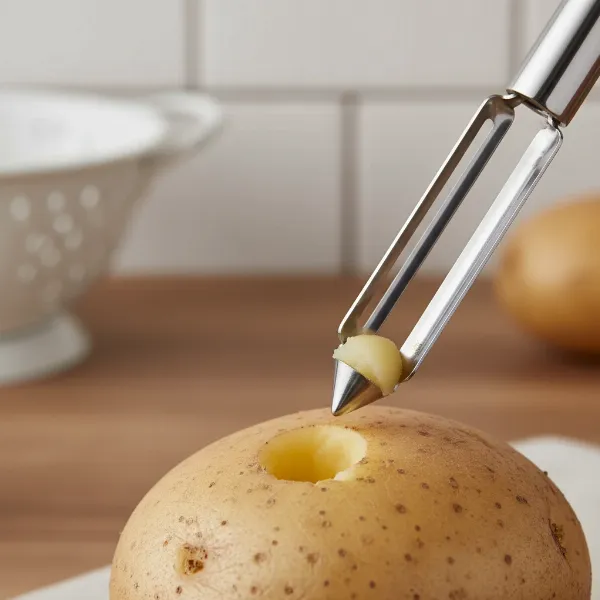
Peeling vegetables and fruits is often seen as a tedious kitchen chore, but what if a simple tool could transform this task into a smooth, comfortable experience? The right peeler can make all the difference, turning kitchen prep from a strain to a serene start to your meal. In this comprehensive review, we dive into the world of peelers, with a special focus on the Wilton Comfort Grip Peeler, to help you understand what makes a great peeler and how this specific model stands out.
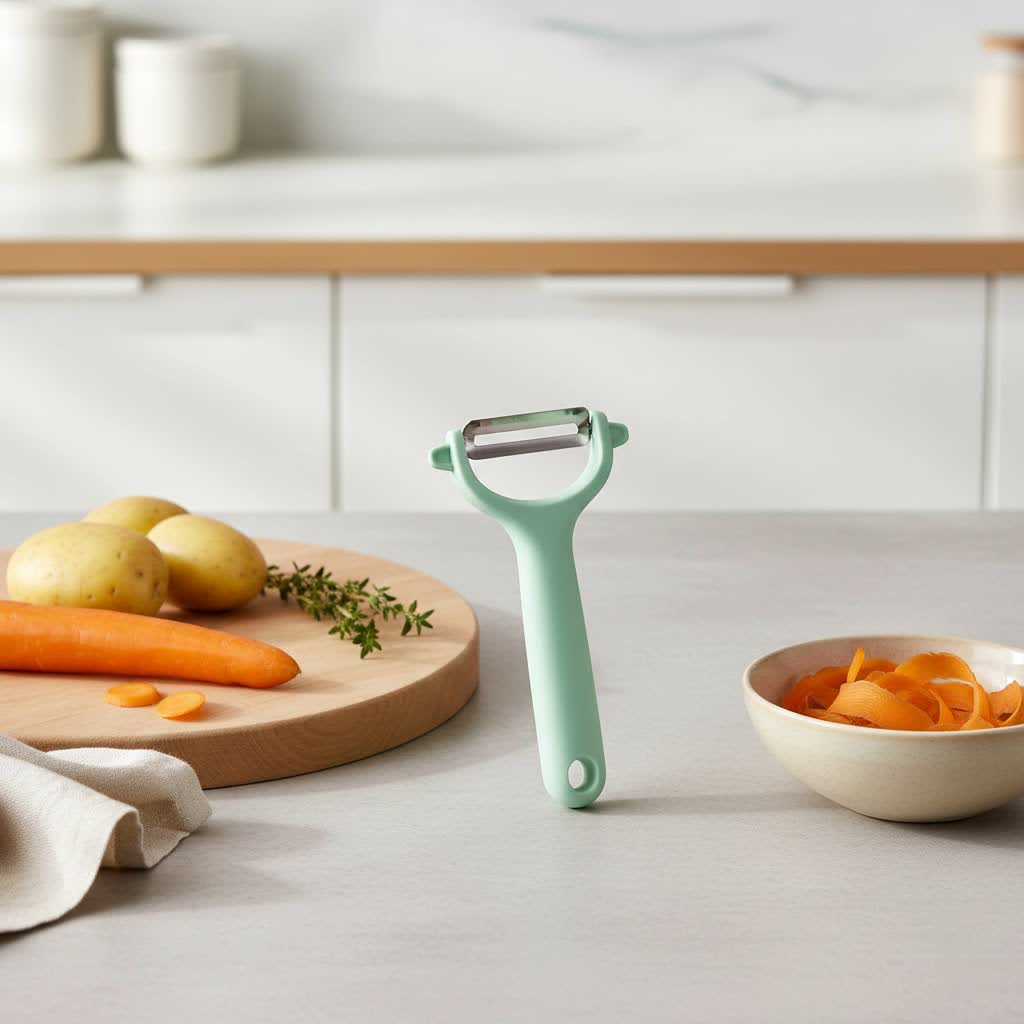
Popular Types of Peelers
Understanding the different types of peelers available is the first step to finding your perfect match. Each design offers unique advantages for various produce and peeling styles.
Y-Peeler
The Y-peeler, sometimes called a speed peeler or Swiss peeler, features a blade perpendicular to its handle, resembling the letter ‘Y’. This design is often favored for its intuitive, razor-like action, allowing users to shave off skins in strips parallel to the handle.
- Pros: Generally very efficient for larger, rounder vegetables like potatoes and apples. The open design prevents peels from getting stuck, and many models include a built-in “eye gouger” for removing blemishes. Its grip can be very natural for many users, offering excellent control.
- Cons: Some users find the Y-shape less natural for continuous peeling movements, especially if accustomed to a straight peeler. It might feel awkward for left-handed individuals depending on the specific design.
- How to Use: Hold the vegetable firmly in one hand and the Y-peeler in the other. Draw the blade across the surface, pulling towards you or pushing away in even strokes. The horizontal blade makes it easy to work with the natural curves of produce.
- Notable Features for Comfort Grip: A Y-peeler with a comfort grip typically features a soft, non-slip handle that minimizes hand fatigue, making it easier to maintain control during repetitive motions.
Swivel Peeler
A swivel peeler, also known as a straight peeler or Jonas peeler, has its blade parallel to the handle, similar to a knife. The key feature is a pivoting blade that adjusts to the contours of the fruit or vegetable, ensuring close, consistent peeling.
- Pros: Highly versatile for long, narrow vegetables like carrots and cucumbers, as well as rounder items. The swivel blade minimizes waste by hugging the produce’s shape. Many find the knife-like grip comfortable and familiar.
- Cons: Peels can sometimes accumulate in the blade’s swivel mechanism, requiring occasional clearing. Some users might find it less efficient than a Y-peeler for very large, uneven produce.
- How to Use: Hold the produce in one hand and the peeler like a knife. Draw the blade along the surface, either pushing away or pulling towards you. The pivoting blade will adapt to the shape, providing a smooth cut.
- Notable Features for Comfort Grip: A comfort grip swivel peeler often has an oversized, soft, rubberized handle that remains secure even when wet, enhancing comfort and reducing strain, particularly for extended use.
Serrated Peeler
Serrated peelers are distinguished by their finely toothed blades, designed specifically for delicate or soft-skinned produce.
- Pros: Excellent for items like tomatoes, peaches, kiwis, or bell peppers, where a smooth blade might tear or bruise the skin. The serrations grip the skin without digging too deep into the flesh.
- Cons: Not ideal for hard, thick-skinned vegetables like potatoes or carrots, as the serrations can leave grooves or make the peeling process less smooth and efficient compared to straight or swivel blades.
- How to Use: Gently glide the serrated blade across the soft skin. The teeth will catch the surface, allowing for easy removal without applying excessive pressure.
- Notable Features for Comfort Grip: For a serrated peeler, a comfort grip ensures that the delicate peeling action can be performed with maximum control and minimal hand tension, preventing accidental slips or crushing of soft produce.
Comparing Peeler Types: Wilton’s Approach to Comfort
The Wilton Comfort Grip Peeler, true to its name, emphasizes an ergonomic design aimed at minimizing hand fatigue and providing a secure hold. While specific details on the Wilton peeler’s blade type (Y-shape, swivel, or serrated) would dictate its primary application, the “comfort grip” designation itself points to features universally desired in high-quality peelers.
Detailed Comparison Table
| Feature | Y-Peeler (General) | Swivel Peeler (General) | Serrated Peeler (General) | Wilton Comfort Grip Peeler (Anticipated) |
|---|---|---|---|---|
| Blade Type | Horizontal, often with eye gouger | Vertical, pivoting | Horizontal or vertical, toothed edge | Likely swivel or Y-peeler, prioritizing smooth cuts |
| Best for | Large, round vegetables (potatoes, cabbage) | Long, narrow & round produce (carrots, apples) | Soft-skinned fruits/veg (tomatoes, peaches) | Versatile for many items, with focus on ease for all |
| Control | Good, razor-like motion | Excellent, adapts to contours | Precise for delicate skins | High control due to non-slip, ergonomic handle |
| Ease of Use | Efficient for large surfaces | Smooth, continuous motion | Gentle, prevents bruising | Very easy, reduces hand strain for repetitive tasks |
| Blade Material | Stainless steel is common | Stainless steel is common | Stainless steel | Durable stainless steel for sharpness and longevity |
| Handle Comfort | Varies; can be basic or ergonomic | Varies; often focus on non-slip materials | Varies | Primary Feature: Designed for superior comfort and grip |
| Durability | Generally durable | Good, especially with quality construction | Good, blades retain sharpness on soft items | Built for longevity with robust materials |
| Price Range | $5-$20 | $5-$25 | $8-$20 | Expected competitive pricing for its feature set |
Guide to Choosing Your Ideal Peeler (Buying Guide)
Selecting the right peeler, especially one like the Wilton Comfort Grip, involves considering several factors to ensure it meets your specific kitchen needs and preferences.
Key Factors to Consider
- Blade Material: The blade is the heart of any peeler.
- Stainless Steel: The most common and recommended material for peeler blades due to its durability, rust resistance, and ability to hold a sharp edge. High-quality stainless steel ensures smooth, efficient peeling for a long time.
- Ceramic: Known for being extremely sharp and maintaining its edge for longer than steel. Ceramic blades are also flavorless and odorless, preventing metallic tastes, but they can be more brittle and prone to chipping if dropped.
- Handle Design (The Comfort Grip Advantage): This is where the “Wilton Comfort Grip” truly aims to shine.
- Ergonomics: A well-designed handle should fit comfortably in your hand, regardless of hand size or left/right dominance. It should reduce strain during long peeling sessions.
- Non-Slip Material: Handles made with soft, rubberized, or textured materials provide a secure grip, even when your hands are wet or greasy, significantly improving safety and control. The Wilton Comfort Grip focuses on this aspect, ensuring a steady hand during use.
- Balance and Weight: A good peeler feels balanced in your hand—neither too heavy to maneuver nor too light to feel flimsy. The ideal weight often comes down to personal preference.
- Durability and Longevity: A peeler should be a long-term investment. Look for sturdy construction that can withstand frequent use and washing.
- Construction: Examine how the blade is attached to the handle. A seamless design or securely fastened components reduce the risk of parts breaking or loosening over time.
- Rust Resistance: Especially for metal parts, rust resistance is crucial for hygiene and longevity. Stainless steel blades are naturally resistant to rust.
- Price and Brand Reputation: While price isn’t always an indicator of quality, reputable brands often offer better assurance.
- Value: Consider the peeler’s features and expected lifespan relative to its price. A slightly higher investment in a durable, comfortable peeler can save money in the long run by avoiding frequent replacements.
- Wilton: Known for bakeware and decorating tools, Wilton’s foray into everyday kitchen tools like peelers suggests an emphasis on functional design, likely leveraging their expertise in creating comfortable, user-friendly grips for other products.
- Ease of Cleaning: A peeler that’s difficult to clean can be a source of frustration and unsanitary conditions.
- Dishwasher Safe: Many modern peelers are dishwasher safe, offering convenient cleanup.
- Design for Cleaning: Look for designs that don’t trap food particles, ensuring easy rinsing by hand if needed.
Expert Advice for Peeler Selection
> “A peeler isn’t just about a sharp blade; it’s about how that blade interacts with your hand and the food. A truly great peeler feels like an extension of your hand, making the task almost meditative.” – Chef Anya Sharma, Culinary Tools Expert
- Match to Your Most Frequent Use: If you peel potatoes daily, a robust Y-peeler with a comfortable grip is ideal. If soft fruits are your nemesis, a serrated peeler is a must.
- Consider Hand Comfort First: If you suffer from hand fatigue or arthritis, a peeler explicitly designed for comfort, like the Wilton Comfort Grip, with an ergonomic, non-slip handle, should be your priority.
- Don’t Overlook the “Eye Gouger”: For potatoes, a built-in potato eyer is a small but incredibly convenient feature that saves time and reduces waste.
- Cleanliness is Key: Always wash fruits and vegetables before peeling to prevent transferring dirt or bacteria to the edible parts. Ensure your peeler is easy to clean to maintain hygiene.
Top Comfort Grip Peeler Attributes
While specific detailed reviews for the Wilton Comfort Grip Peeler are less prevalent compared to some industry giants, its name strongly indicates a focus on attributes highly valued in top-performing peelers:
- Superior Ergonomics: The “Comfort Grip” suggests a handle molded for natural hand positioning, reducing strain and allowing for prolonged use without discomfort. This is crucial for home cooks who spend significant time prepping.
- Non-Slip Security: A hallmark of comfort grip designs is the use of materials that provide a firm, secure hold, even with wet or greasy hands, enhancing safety and control during rapid peeling.
- Efficient Peeling Action: Coupled with comfort, a good peeler blade (whether swivel or Y-type) should glide smoothly, removing thin, consistent strips of peel with minimal effort and waste.
- Durability for Everyday Use: A comfort grip peeler from a reputable brand like Wilton is expected to feature a sharp, durable stainless steel blade and sturdy construction, ensuring it stands up to regular kitchen demands.
The Wilton Comfort Grip Peeler is positioned to appeal to cooks who prioritize ease of use and comfort, making mundane peeling tasks more pleasant. Its design likely focuses on a balanced feel and an intuitive peeling motion, aiming to provide a reliable tool for various kitchen tasks, from preparing root vegetables to delicate fruits.
Conclusion
A high-quality peeler is an indispensable tool in any kitchen, significantly impacting the efficiency and enjoyment of meal preparation. While a paring knife can manage some peeling tasks, a dedicated peeler, especially one designed with comfort in mind, streamlines the process and ensures consistent results. The Wilton Comfort Grip Peeler, by virtue of its name, highlights the critical importance of an ergonomic, non-slip handle combined with a sharp, efficient blade.
Investing in a peeler that fits comfortably in your hand and makes quick work of tough skins or delicate peels will not only save you time but also reduce hand fatigue, making cooking more enjoyable. Whether you prefer a Y-peeler, a swivel peeler, or a serrated blade, prioritizing comfort and durability, as promised by a “comfort grip” design, will lead to a tool you’ll reach for again and again.
What’s your favorite type of peeler, and what’s the one feature you can’t live without?
Frequently Asked Questions
What is the primary benefit of a comfort grip peeler like the Wilton model?
The main benefit of a comfort grip peeler is its ergonomic design and non-slip handle, which significantly reduce hand fatigue and provide a secure, comfortable hold even during extended peeling tasks or when hands are wet. This enhances safety and precision in the kitchen.
Can a comfort grip peeler be used by both right-handed and left-handed individuals?
Most comfort grip peelers, especially swivel designs, are ambidextrous, meaning they are designed for comfortable use by both right-handed and left-handed individuals. Y-peelers can sometimes feel less natural for lefties, but many modern designs strive for universality.
How often should I replace my peeler’s blade or the entire peeler?
The lifespan of a peeler depends on its quality and frequency of use. High-quality stainless steel blades can last for years. However, if your peeler’s blade becomes dull, rusty, or if the handle becomes loose or damaged, it’s time for a replacement to ensure efficiency and safety. Some peelers offer replaceable blades.
Is it necessary to have different types of peelers?
While a good all-purpose swivel peeler can handle most tasks, having different types can optimize specific peeling jobs. For example, a serrated peeler is ideal for soft-skinned fruits like tomatoes, while a Y-peeler might be preferred for large vegetables.
What should I look for to ensure a peeler removes minimal waste?
To ensure minimal waste, look for a peeler with a sharp blade that glides smoothly and closely to the produce’s surface. Swivel blades are particularly good at contouring to shapes, allowing for very thin peels without digging too deep into the flesh.