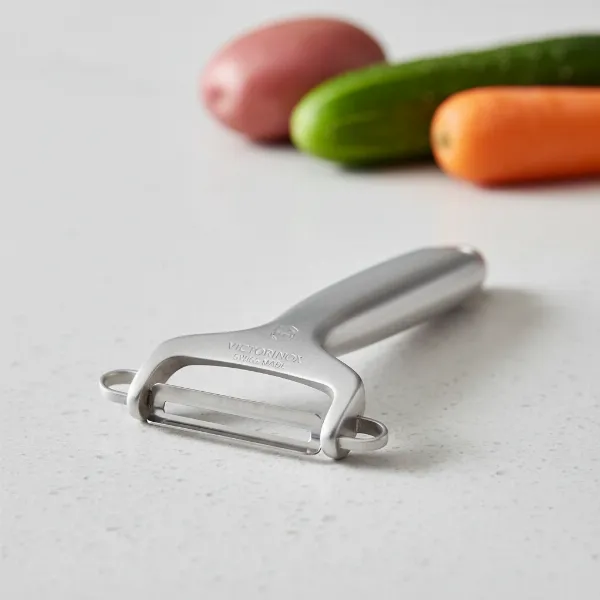
Have you ever considered that the humble peeler might be the most underestimated tool in your kitchen arsenal? For many home cooks, peeling fruits and vegetables can be a tedious chore, often made worse by dull, uncomfortable, or inefficient tools. But what if a peeler could transform this routine task into a smooth, even enjoyable part of meal preparation? This is where the concept of a “design peeler” comes into play, epitomized by products like the Gastroback Design Peeler, promising not just functionality but also a touch of elegance and superior performance.
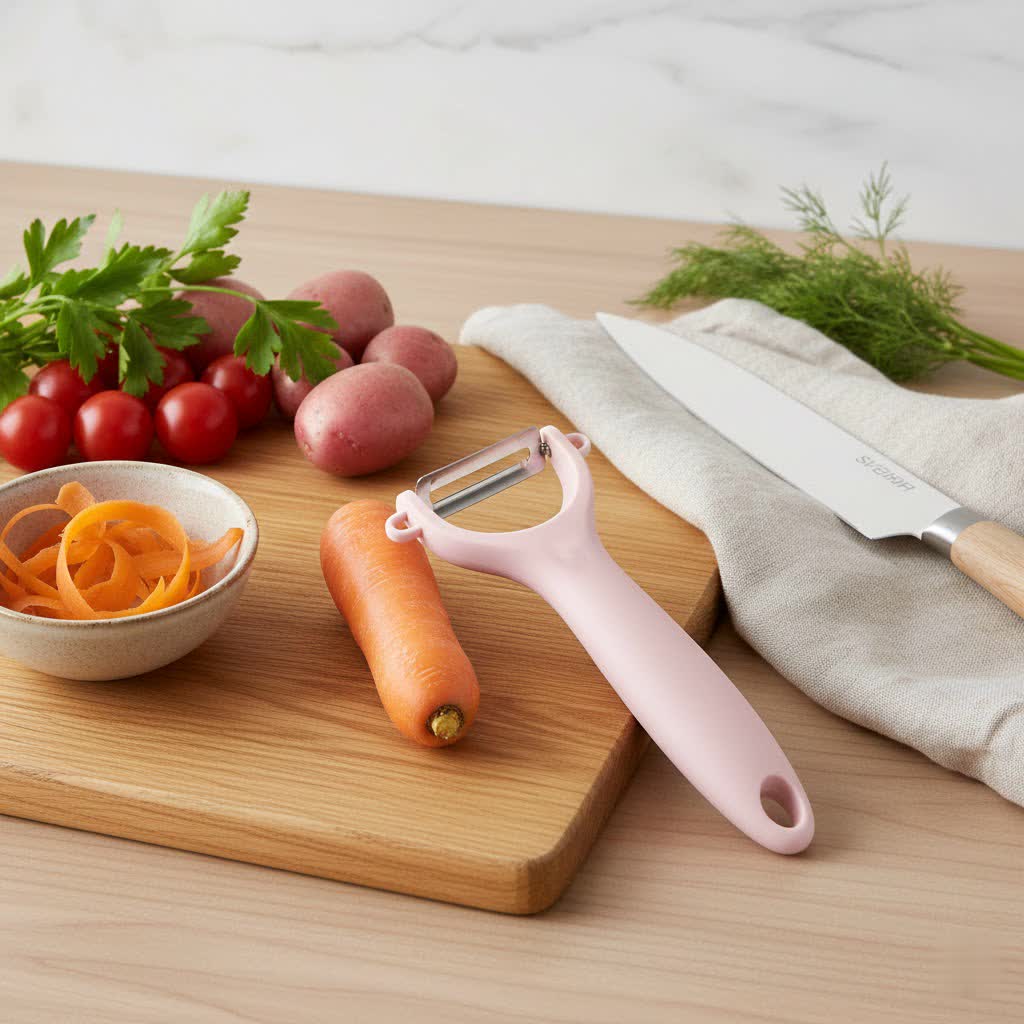
A truly well-designed peeler isn’t just about removing skin; it’s about precision, comfort, and durability. It simplifies kitchen prep, making healthy eating more accessible and reducing strain on your hands. In this comprehensive review, we’ll explore the world of high-performance peelers, examining different types, essential buying considerations, and how a product like the Gastroback Design Peeler measures up against the benchmarks of quality, efficiency, and ergonomic excellence that discerning cooks expect.
Common Types of Vegetable Peelers
Understanding the different styles of peelers can significantly impact your peeling experience and help you identify which design best suits your culinary habits. Each type offers distinct advantages, catering to various produce shapes and personal preferences.
Y-Peeler
The Y-peeler, often resembling the letter “Y,” features a blade positioned perpendicular to the handle. This design allows for a natural downward motion, similar to shaving, making it particularly effective for larger, rounder, or longer vegetables.
- Advantages: Y-peelers typically offer excellent control and speed, especially for wide surfaces. Many find the grip more intuitive, allowing for power from the wrist and arm rather than just the fingers. They are often praised for their ability to create thin, uniform peels, minimizing waste.
- Disadvantages: Some users, particularly those with smaller hands or when peeling unusually shaped items, might find the wide blade and grip a bit cumbersome. It can also be slightly less versatile for intricate peeling tasks compared to a swivel peeler.
- How to Use: Hold the vegetable firmly in one hand and the peeler in the other, with the blade facing away from you. Use a consistent, even stroke to glide the blade over the surface, peeling downwards.
- Notable Features: Often comes with a built-in potato eye remover.
Swivel Peeler
The swivel peeler, sometimes called a straight peeler, has a blade that runs parallel to the handle and pivots or “swivels.” This flexible blade can adapt to the contours of fruits and vegetables, making it highly versatile.
- Advantages: Swivel peelers excel at peeling uneven or delicate produce, such as tomatoes, peaches, or ginger, thanks to their agile blade. They are generally considered more comfortable for repetitive tasks, as the pivoting blade reduces the need for awkward wrist movements. They are also ambidextrous, suitable for both right- and left-handed users.
- Disadvantages: While highly adaptable, some users may find them slightly slower for large, flat surfaces compared to a Y-peeler. The flexibility can sometimes lead to thicker peels if not handled with a light touch.
- How to Use: Hold the peeler with the blade parallel to the vegetable. Use a back-and-forth motion or peel in one direction, allowing the blade to follow the curves of the produce.
- Notable Features: Excellent for detailed work and often includes a pointed tip for removing blemishes.
Serrated Peeler
A specialized variant, the serrated peeler can come in both Y- and swivel designs, but its defining characteristic is its finely toothed blade. This blade is designed to grip and cut through softer, sometimes fuzzy, skins that a smooth blade might struggle with.
- Advantages: Incomparable for peeling soft-skinned fruits and vegetables like tomatoes, kiwis, peaches, and bell peppers without tearing the flesh. The serrated edge also works well on waxy skins.
- Disadvantages: Not ideal for firm, hard produce like potatoes or carrots, as the teeth can dig too deep or leave grooves. The blade can also be harder to clean if bits of produce get stuck in the serrations.
- Suitable Foods: Tomatoes, peaches, plums, kiwi, bell peppers, eggplant, and even slippery mangoes.
What Defines a “Design Peeler” like Gastroback?
When a product carries the “design” moniker, like the Gastroback Design Peeler, it typically signifies a commitment to more than just basic utility. It suggests an integration of aesthetics, advanced ergonomics, and premium materials, aiming to elevate the user experience.
Premium Materials and Craftsmanship
A hallmark of design peelers is the use of high-quality materials. Expect surgical-grade stainless steel blades that retain their sharpness over time and resist corrosion. Handles are often crafted from durable plastics, soft-touch silicone, or even brushed stainless steel, selected for both their tactile feel and longevity. This focus on material not only contributes to the peeler’s lifespan but also its overall feel in hand.
Ergonomics and User Comfort
Beyond mere functionality, a design peeler prioritizes user comfort and reduces hand fatigue. Ergonomic handles are shaped to fit naturally in the hand, providing a secure, non-slip grip even when wet. This thoughtful design ensures that peeling large quantities of produce is a comfortable rather than a strenuous task, making it suitable for prolonged use and for users with varying hand sizes or dexterity levels.
Aesthetic Appeal and Kitchen Integration
“Design” also implies a visual appeal. Gastroback, for instance, often integrates modern, sleek lines and finishes that complement contemporary kitchen aesthetics. These peelers aren’t just tools; they are pieces of kitchenware that look good on display or nestled in a utensil drawer, reflecting a sophisticated approach to culinary equipment.
Advanced Blade Technology
High-performance design peelers often feature exceptionally sharp, dual stainless steel blades that glide effortlessly over produce. Many incorporate swivel mechanisms that allow the blade to hug the contours of vegetables and fruits, minimizing waste and preventing clogging. This precision is crucial for achieving thin, consistent peels. Some also include small, sharp tips for effortlessly removing potato eyes or blemishes.
Ease of Maintenance
A truly well-designed kitchen tool is also easy to clean. Many premium peelers are dishwasher-safe, simplifying post-meal cleanup. The use of high-quality materials also means they are less prone to staining or corrosion, maintaining their pristine condition with minimal effort.
Choosing Your Ideal Peeler: A Buying Guide
Selecting the right peeler can significantly enhance your cooking efficiency and enjoyment. Consider these factors to find the perfect fit for your kitchen.
Blade Material: The Edge of Excellence
The material of the blade is paramount to a peeler’s performance and longevity.
- Stainless Steel: The most popular choice, offering excellent sharpness, rust resistance, and durability. High-quality stainless steel blades can often be sharpened, extending their lifespan.
- Ceramic: Extremely sharp and holds an edge well, but more brittle than stainless steel, making it prone to chipping or breaking if dropped.
- Carbon Steel: Can be incredibly sharp but requires more maintenance as it’s susceptible to rust if not dried immediately after use.
Handle Design: Comfort in Your Hand
An ergonomic handle is crucial for comfort and control. Look for:
- Non-slip Grip: Materials like soft-touch silicone or textured plastics provide a secure grip, even with wet hands.
- Comfortable Shape: Handles should fit naturally in your hand, reducing strain during extended use. A neutral shape often accommodates both right and left-handed users.
Durability and Longevity: An Investment, Not a Disposable
A high-quality peeler should be a long-term investment. Durable construction, premium materials, and robust blade-to-handle connections ensure the peeler withstands frequent use and washing, providing reliable performance for years.
Price and Brand: Value for Money
While budget peelers are readily available, investing in a reputable brand often guarantees superior materials, craftsmanship, and performance. Consider the overall value—a slightly higher upfront cost for a durable, efficient peeler can save money and frustration in the long run.
Expert Advice for Peeler Perfection
> “A good peeler should feel like an extension of your hand. It shouldn’t just remove the skin; it should glide effortlessly, leaving behind a perfectly smooth surface, ready for your next culinary step.” – Chef Elena Rodriguez, Culinary Arts Instructor
- Match to Your Needs: If you primarily peel tough-skinned vegetables, a Y-peeler might offer more power. For delicate or irregularly shaped produce, a swivel or serrated peeler is ideal.
- Maintenance Tips: Always clean your peeler promptly after use. For stainless steel, a quick hand wash and dry will preserve its edge. If it’s dishwasher safe, ensure it’s placed securely to prevent damage.
- Common Mistakes: Don’t let your peeler languish with a dull blade. A sharp blade is safer and more efficient. Also, avoid using a standard peeler on very soft produce if a serrated one is available, as it can tear the flesh.
Evaluating Top Peeler Features in the Context of Design Peelers
When considering a “Design Peeler” like the Gastroback, we expect it to embody the best features found in top-tier peelers. Here’s a breakdown of what makes such a peeler stand out.
Sharpness and Efficiency
The primary function of any peeler is its ability to remove skins effectively. A design peeler should boast an ultra-sharp blade that slices through tough skins and delicate surfaces with minimal effort. This means fewer strokes, reduced hand fatigue, and perfectly thin peels, ensuring maximum yield from your produce. The blade should maintain its sharpness even after extensive use, a testament to quality materials and manufacturing.
Comfort and Grip
A peeler that is uncomfortable to hold quickly becomes a hindrance. A design peeler features an ergonomic handle with a soft, non-slip grip that feels secure and comfortable in various hand sizes and orientations. This is crucial for both safety and efficiency, especially during long prep sessions. Whether your hands are wet or dry, the peeler should offer confidence and control.
Versatility
A great peeler isn’t a one-trick pony. The best design peelers are versatile, capable of handling a wide array of produce—from hard potatoes and carrots to delicate tomatoes and slippery mangoes. This often comes down to a well-engineered swivel mechanism and a blade that is both sharp and adaptable. Some might also include features like a potato eye remover, adding to their utility.
Ease of Cleaning
Nobody wants a kitchen tool that’s a chore to clean. High-quality design peelers are typically easy to clean, often dishwasher-safe. Smooth surfaces and minimal crevices prevent food particles from getting trapped, ensuring hygienic use and quick turnaround for your next culinary adventure.
Conclusion
Choosing the right peeler might seem like a small decision, but it significantly impacts your daily cooking experience. A well-crafted design peeler, like what one would expect from a Gastroback Design Peeler, goes beyond basic utility, offering superior sharpness, ergonomic comfort, and durable construction that transforms a mundane task into an effortless one. By prioritizing premium materials, thoughtful design, and user-centric features, these tools stand as a testament to how even the simplest kitchen implements can enhance your culinary journey.
Investing in a high-quality peeler is an investment in your kitchen efficiency, comfort, and the overall enjoyment of preparing delicious, healthy meals. So, why settle for less when you can elevate your prep with a tool that combines functionality with sophisticated design?
Frequently Asked Questions
What are the key differences between a Y-peeler and a swivel peeler?
Y-peelers have a blade perpendicular to the handle, offering excellent control for large, firm produce, while swivel peelers have a pivoting blade parallel to the handle, making them more versatile for uneven or delicate items. Each excels in different scenarios.
Can a peeler be used by both left-handed and right-handed individuals?
Many swivel peelers are designed to be ambidextrous due to their pivoting blade. Y-peelers can sometimes be more challenging for left-handed users, though ergonomic designs are making them more accessible for everyone.
How often should I replace my vegetable peeler?
The lifespan of a peeler depends on its quality and frequency of use. High-quality stainless steel peelers can last for many years if properly cared for and sharpened. However, if the blade becomes dull or corroded, or if the handle breaks, it’s time for a replacement.
Are ceramic peeler blades better than stainless steel?
Ceramic blades are extremely sharp and rust-proof but are more brittle and prone to chipping than stainless steel. Stainless steel blades offer a good balance of sharpness, durability, and flexibility, making them a popular and robust choice for most kitchen tasks.
What is the advantage of a serrated peeler?
A serrated peeler is specifically designed for soft-skinned fruits and vegetables like tomatoes, peaches, and kiwis. Its toothed blade grips and cuts through delicate skins without crushing the tender flesh, a task smooth blades often struggle with.
How do I maintain the sharpness of my peeler?
To maintain sharpness, always clean your peeler promptly after use, preferably by hand with warm, soapy water, and dry it thoroughly. Store it safely to prevent the blade from hitting other utensils, which can dull or damage the edge. Some high-quality stainless steel blades can also be professionally sharpened.