For many home cooks and healthy eaters, the glossy sheen on a fresh apple can be a source of curiosity or concern. While entirely food-grade and safe to consume, the waxy coating on apples sometimes prompts a desire for removal, especially when aiming for a pristine culinary experience or ensuring superior adhesion for delectable treats like caramel apples. If you’ve ever wondered about the most thorough method to tackle this common fruit feature, the answer often lies in the simple, yet highly effective, peeler. This essential kitchen tool offers a precise and efficient way to strip away the waxy layer, revealing the pure, unblemished fruit beneath.
Understanding Apple Wax: Why It’s There and Why You Might Remove It
Apples naturally develop a thin, protective layer of wax, often referred to as “bloom,” which helps retain moisture and shield the fruit from environmental elements as it grows. However, after apples are harvested, they undergo a washing and brushing process that removes this natural coating along with any dirt or debris. To compensate for this loss and maintain freshness during storage and transport, growers often reapply a thin layer of food-grade wax, such as carnauba, beeswax, or shellac. This applied wax serves to prevent moisture loss, inhibit mold growth, and keep apples crisp and firm for longer.
While these food-grade waxes are approved by regulatory bodies like the FDA and are completely safe for consumption in the small amounts used, some individuals prefer to remove them. Reasons for removal can range from a personal preference for the texture or appearance of a wax-free apple to the practical need for a clean surface when preparing dishes like candy apples, where the wax can prevent coatings from adhering properly. Additionally, some believe that removing the wax also helps to eliminate any lingering residues trapped beneath it.
The Peeler’s Role in Wax Removal
When it comes to thoroughly removing wax from apples, a peeler stands out as an exceptionally effective tool. Unlike washing or scrubbing methods, which might only diminish the wax layer, peeling completely strips away the apple’s skin, and with it, any natural or applied wax. This method ensures a complete removal, providing a clean surface that can be beneficial for various culinary applications or simply for those who prefer to eat apples without the skin. While hot water soaks with baking soda or vinegar can help loosen and scrub away wax, a peeler offers an immediate and definitive solution, particularly when the goal is a wax-free apple.
Types of Peelers Best Suited for Apple Wax Removal
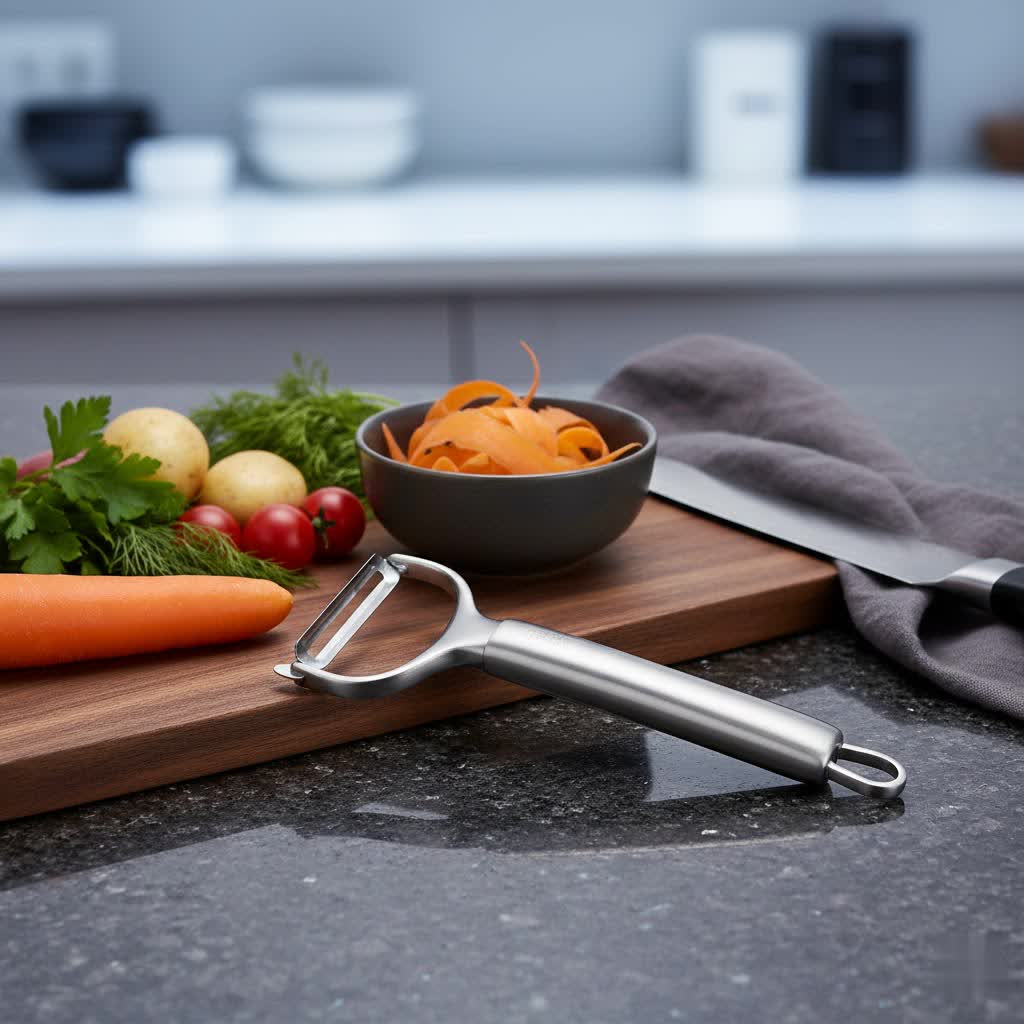
Selecting the right peeler can make a significant difference in the ease and efficiency of removing wax from apples. The two most common and effective types are swivel peelers and Y-peelers, each offering distinct advantages for fruit preparation.
Swivel Peelers
Swivel peelers, often recognized by their straight handle and a blade that swivels or pivots, are a favorite for their adaptability. The flexible movement of the blade allows it to glide smoothly over the contours of an apple, removing a thin, consistent layer of skin without digging too deep into the flesh. This design is particularly forgiving, making it an excellent choice for beginners and those who appreciate a comfortable, ergonomic grip.
- Features: Swivel peelers typically feature a blade that rotates slightly, adapting to the shape of the fruit. Many come with an ergonomic handle designed for comfort during extended use.
- Advantages for Apples: Their ability to follow the apple’s natural curves ensures minimal waste and an even peel. The sharp, often stainless steel blades effortlessly slice through the waxy coating and skin.
- Recommended Brands: The OXO Good Grips Swivel Peeler is a highly recommended option, praised for its razor-sharp stainless steel blade and comfortable, non-slip handle that performs exceptionally well on apples.
Y-Peelers
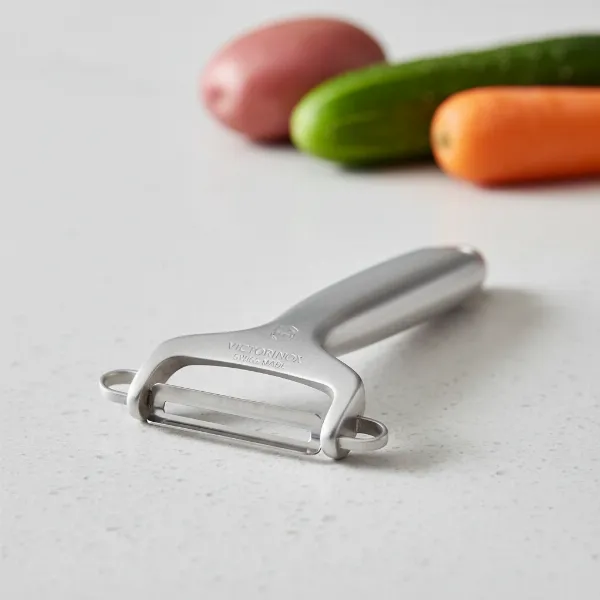
Y-peelers, named for their Y-shaped handle, feature a blade positioned perpendicularly to the handle. This design provides a more open view of the peeling action, offering users enhanced control and precision. Many culinary professionals favor Y-peelers for their speed and ability to create very thin peels.
- Features: Y-peelers typically have a wide, fixed blade set within a “Y” shaped handle. The design often allows for a powerful stroke, removing skin quickly.
- Advantages for Apples: Their control and precision make them excellent for removing even the thinnest layer of waxy skin, especially around trickier areas of the apple. The open design provides an unobstructed view of the blade’s path.
- Recommended Brands: The Kuhn Rikon Swiss Peeler is consistently lauded as a top-tier Y-peeler, known for its wickedly sharp carbon steel blades that offer smooth gliding and superior precision on fruits like apples.
Serrated Peelers (Less Common for Wax Removal)
While serrated peelers exist, they are generally less ideal for completely removing the waxy coating from apples. Their jagged blades are designed to grip and peel softer, more delicate fruits and vegetables (like tomatoes or peaches) that might otherwise be crushed by a smooth blade. For apples, a serrated peeler can sometimes tear the skin rather than cleanly slice it, potentially leaving behind small fragments of wax or resulting in a less smooth finish. For thorough wax removal, the clean cut of a sharp swivel or Y-peeler is usually preferred.
Step-by-Step Guide: Peeling Apples to Remove Wax
Removing wax from apples using a peeler is a straightforward process that becomes second nature with a little practice. Follow these steps for a perfectly peeled, wax-free apple:
- Preparation: Begin by briefly rinsing your apple under cool running water to remove any loose dirt. Pat it dry with a clean towel. A dry surface will provide a better grip.
- Holding the Apple and Peeler: Hold the apple firmly in your non-dominant hand. For a swivel peeler, hold the peeler in your dominant hand, ensuring a comfortable and secure grip. For a Y-peeler, grip it similarly, with your thumb and forefinger guiding the blade. Many find it easiest to peel away from their body for safety and control.
- Peeling Technique: Start at the top or bottom of the apple, where the curve is less pronounced. With light, even pressure, draw the peeler down the apple’s surface, removing a thin strip of skin. Aim for long, continuous strokes rather than short, choppy ones. Overlap each stroke slightly to avoid missing any spots and ensure all the waxy skin is removed.
- Dealing with Tricky Spots: As you work your way around the apple, you’ll encounter the top and bottom cavities. For these areas, use shorter, more controlled strokes. You might need to adjust your grip on the apple or the peeler to reach these curves effectively. The small “eye” tool often found on peelers can also be useful for digging out blemishes or core remnants.
- Post-Peeling Care: Once peeled, give the apple another quick rinse under cool water to wash away any small remnants of skin or wax. The peeled apple is now ready for slicing, dicing, or immediate enjoyment. Dispose of the peels thoughtfully – they can be composted or used in other culinary preparations like apple peel tea or jelly.
Choosing the Right Peeler for Your Needs
Selecting the ideal peeler for consistent wax removal and general apple preparation involves considering a few key factors:
- Blade Material: Stainless steel blades are durable, corrosion-resistant, and remain sharp with proper care. They are generally low maintenance. Carbon steel blades, often found in high-performance Y-peelers, are renowned for their exceptional sharpness and ability to hold an edge, though they may require more diligent cleaning and drying to prevent rust.
- Handle Comfort and Grip: An ergonomic handle that fits comfortably in your hand is crucial for reducing fatigue and ensuring safety, especially when peeling multiple apples. Look for non-slip materials, which provide a secure grip even if your hands become slightly moist.
- Durability and Maintenance: A well-made peeler should feel sturdy and have tightly secured blades. Consider how easy it is to clean; most modern peelers are dishwasher safe, though handwashing and immediate drying can extend the life of any blade, especially carbon steel.
- Price vs. Performance: While budget-friendly peelers can be effective, investing a little more in a reputable brand often yields a tool with superior sharpness, comfort, and longevity. A good peeler is an indispensable kitchen workhorse.
Expert Tips for Flawless Apple Peeling
> “Always use a sharp peeler! A dull blade is not only less effective at removing wax and skin cleanly but also significantly increases the risk of accidents. A sharp peeler glides through the skin, making the task effortless and safe.” – Admin of ReviewAW.com, Peeler Expert
When peeling apples for specific recipes, the consistency of your peel can be vital. For instance, if you’re making apple pie or applesauce, a consistently thin peel minimizes waste and ensures a uniform texture in the finished product. Consider the variety of apple; softer apples might require a lighter touch, while firmer varieties can withstand more pressure.
Beyond the act of peeling, proper care of your peeler will ensure it remains a reliable tool. Always clean your peeler immediately after use to prevent residue buildup. Rinse it under warm water, use a small brush if necessary, and dry it thoroughly before storing it in a dry place to prevent rust and maintain blade sharpness. Avoid tossing it loosely into a drawer where blades can dull by hitting other utensils.
Conclusion
The presence of wax on apples, whether natural or applied for preservation, is a common characteristic of store-bought fruit. While food-grade waxes are deemed safe, many prefer a wax-free apple for culinary precision, enhanced texture, or simply peace of mind. A sharp, well-designed peeler provides the most effective and thorough method for complete wax removal, transforming a potentially tedious task into a quick and satisfying one. By choosing between a high-performing swivel or Y-peeler and mastering a few simple techniques, you can ensure every apple you prepare is perfectly peeled and ready for any dish or snack. What delicious apple creation will you whip up now that you have the secret to effortlessly wax-free fruit?
Frequently Asked Questions
Is it necessary to remove wax from apples?
No, it is not strictly necessary to remove wax from apples as food-grade waxes are considered safe for consumption by health authorities. However, many choose to remove it for personal preference, better texture, or for specific recipes where a clean surface is desired, such as caramel apples.
Can a dull peeler remove apple wax effectively?
A dull peeler will struggle to remove apple wax effectively. It will likely tear the skin, require more force, and lead to uneven or incomplete peeling, increasing the risk of injury. Always use a sharp peeler for best results and safety.
What are the benefits of peeling apples to remove wax?
Peeling apples offers the most complete removal of both natural and applied waxes. This ensures a uniform texture, prevents coatings from sliding off in recipes, and addresses any personal concerns about consuming the wax or residues trapped beneath it.
How can I tell if an apple has wax?
Most conventionally grown apples will have an applied wax coating, especially those with a very shiny appearance. You can often feel a waxy film by rubbing the apple, or even lightly scrape it with a fingernail to see a slight residue.
Are there any apples that don’t have wax?
All apples naturally produce some wax (bloom). However, apples sold loose at farmer’s markets or those labeled organic may be less likely to have additional commercial wax applied, or the coating may be minimal. Always check labels or ask your vendor.
Does peeling apples reduce nutrient content?
Yes, peeling apples does remove some nutrients, as many beneficial fibers, vitamins, and antioxidants are concentrated in or just beneath the skin. However, the majority of the apple’s nutritional value remains in the flesh. The decision to peel often comes down to personal preference or recipe requirements.