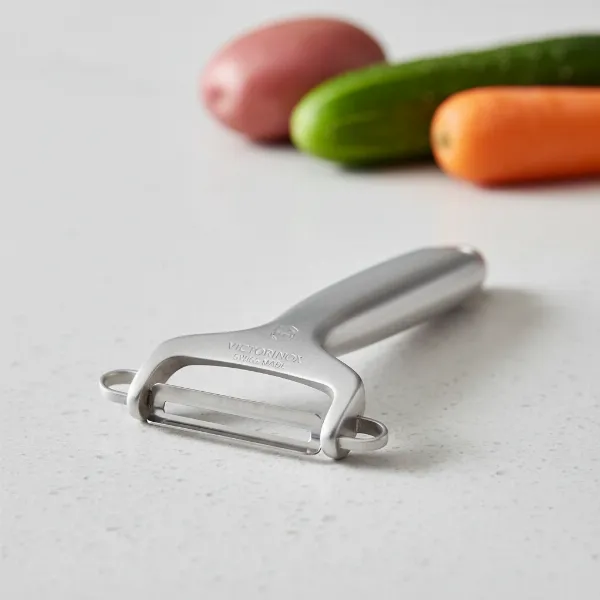
Every kitchen has them: those trusty peelers that have served countless meals, slowly losing their edge over time. While the thought of simply tossing a dull peeler into the trash might seem convenient, the truth is that responsible disposal of these common kitchen tools is crucial for both environmental well-being and worker safety. Neglecting proper recycling or disposal methods can lead to landfill contamination and pose risks to sanitation workers. Understanding how to handle your worn-out peeler, based on its materials, is a simple step towards a more sustainable kitchen and a safer community.
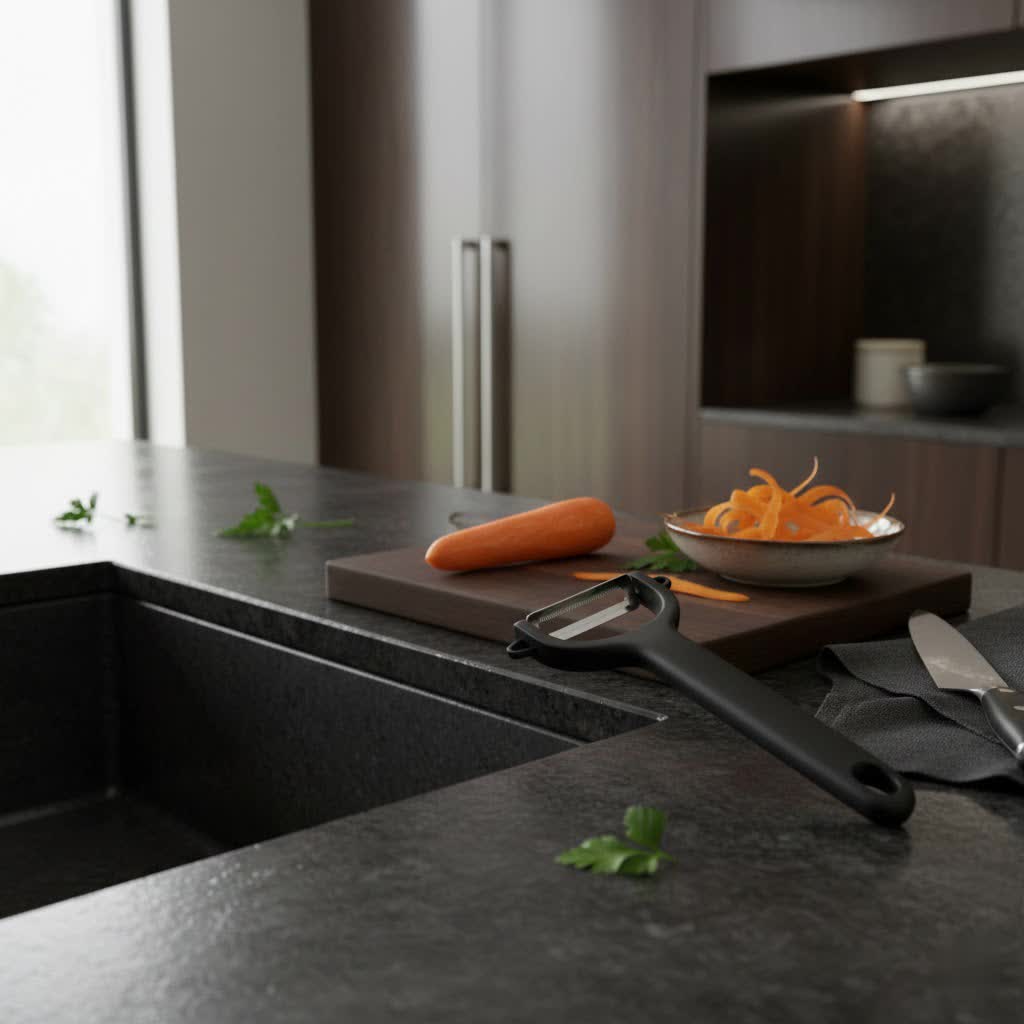
Why Responsible Peeler Disposal Matters
Properly disposing of your old peeler goes beyond just decluttering your utensil drawer; it’s a commitment to environmental stewardship and public safety. When kitchen tools, especially those with sharp components, are carelessly discarded, they contribute to a range of issues.
Firstly, environmental impact is a significant concern. Metal and plastic components in peelers, if sent to landfills, take hundreds of years to decompose, releasing harmful chemicals into the soil and groundwater. Recycling these materials reduces the need for virgin resources, conserves energy, and minimizes pollution associated with manufacturing new products.
Secondly, and perhaps most critically, is the aspect of safety. A dull blade is still a sharp object. Sanitation workers handle countless items daily, and an unprotected peeler blade can easily cause serious cuts and punctures. Ensuring the blade is safely secured before disposal is a paramount responsibility to protect those who manage our waste. By understanding the material makeup of your peeler and adhering to proper disposal guidelines, you play an active role in fostering a safer, greener future.
Deconstructing Your Peeler: Understanding Materials
Before you consider recycling or disposing of your old peeler, it’s essential to understand its composition. Most peelers are composite items, meaning they are made from multiple materials, each requiring a different approach to recycling. Identifying these materials is the first step toward responsible disposal.
Stainless Steel Blades are the most common type found in peelers. Stainless steel is a highly recyclable material, prized for its durability and the ability to be melted down and reformed indefinitely without losing quality. These blades typically offer a clear path to recycling, but rarely through standard curbside bins.
Plastic Handles are also very prevalent. While plastics are generally recyclable, the specific type of plastic, its size, and the recycling capabilities of your local facility can make a difference. Small plastic items, or those made from mixed plastics, are often rejected by conventional recycling programs.
Ceramic Blades, though less common, are found in some specialized peelers. Ceramic, while durable, presents a unique challenge for recycling. Unlike metal or many plastics, ceramics are not typically accepted in standard recycling streams due to their different chemical makeup and melting points, which can contaminate other recyclable materials like glass. Understanding these material distinctions is key to choosing the correct disposal method.
Recycling Options for Each Material Type
Once you’ve identified the materials in your peeler, you can determine the most effective recycling or disposal method. Each component often requires a different approach for responsible handling.
Metal Blades: The Road to Scrap Yards
Table is empty.The stainless steel blades of your peeler are highly valuable for recycling. However, these small metal items, often combined with other materials, are generally not accepted in curbside recycling bins. They can damage the sorting machinery at recycling facilities.
The best destination for metal blades is a scrap metal recycling center. These facilities are equipped to process various metals, including stainless steel. You can collect several metal kitchen items like old pots, pans, or other utensils and take them to a scrap yard. Some scrap yards even pay for metal by weight. Before heading out, it’s always a good idea to check with your local scrap metal yard about their specific acceptance policies and any preparation requirements.
Plastic Handles: Local Limits and Specialized Programs
Recycling plastic handles can be more complex due to variations in plastic types and local recycling capabilities. Many municipal curbside programs may not accept small plastic items or mixed plastics.
If the plastic handle can be easily detached from the blade, check your local recycling guidelines for plastic acceptance by number (e.g., #1, #2, #5). However, if your local program doesn’t accept the specific plastic or small items, consider specialized recycling solutions. Programs like TerraCycle offer “Zero Waste Boxes” specifically designed for hard-to-recycle kitchen items, including various plastics and mixed material kitchen gear. These programs often require you to purchase a box, fill it, and ship it back for processing, providing a comprehensive solution for items that can’t be recycled locally.
Ceramic Blades: Unique Challenges and Safe Disposal
Ceramic blades are the trickiest to recycle responsibly. They are almost universally NOT accepted in standard curbside recycling programs. Ceramics have a high melting point and a different chemical composition than glass, meaning they can contaminate glass recycling streams and damage machinery if mixed in.
For ceramic blades, proper disposal often involves careful handling as general waste. If the blade is still intact, some specialized recycling companies might exist that handle ceramics; contacting the manufacturer of your ceramic peeler (e.g., a “Slice” brand office for their specific blades) might offer guidance. Alternatively, some art schools or construction recycling yards may accept larger, intact ceramic pieces for repurposing as drainage materials or aggregates, though this is less likely for a small peeler blade.
If these options are not viable, the most common method is to dispose of ceramic blades in your regular trash, but with crucial safety precautions. It’s recommended to crush the ceramic into small, powdery pieces (if safe to do so) or, at minimum, cushion any sharp edges with heavy-duty tape (like duct tape) and place the blade in a puncture-proof container, such as a plastic bottle or a sharps box, before placing it in the garbage. This protects sanitation workers from potential injuries.
Step-by-Step Guide to Safe Peeler Preparation
Ensuring your old peeler is prepared correctly for recycling or disposal is vital, primarily for safety reasons. A dull blade can still cause harm, so a cautious approach is essential.
- Clean the Peeler Thoroughly: Wash your peeler to remove any food residue. This makes it more hygienic for handling and acceptable for recycling facilities.
- Assess for Separability: Examine your peeler. Can the metal blade be easily detached from the plastic or wooden handle? Some peelers are designed with removable components, while others are permanently affixed. If separation is possible, gently detach the blade from the handle.
- Secure the Blade: This is the most critical step. Whether the blade is metal or ceramic, and whether it’s separated or still attached, you must neutralize its sharpness.
- For Metal Blades: Wrap the blade tightly with several layers of heavy-duty tape (like duct tape or electrical tape). For extra safety, you can also place the taped blade into a rigid, puncture-proof container like an old plastic detergent bottle or a metal can with a lid before sealing it in a bag.
- For Ceramic Blades: Due to their brittleness and sharpness, ceramic blades require even more caution. If possible, place them in a designated sharps disposal container. If not available, secure the blade with multiple layers of tape and then place it inside a thick plastic bottle or a sturdy, sealed cardboard box labeled “Sharps” before putting it into the trash.
- Sort Components: Once the blade is secured (and ideally separated), place the metal component with other scrap metal (if taking to a scrap yard), the plastic handle (if accepted by your local recycler or a specialized program like TerraCycle), and the ceramic blade (with safety precautions) into the appropriate disposal stream.
By following these steps, you minimize risks and maximize the chances of your peeler components being processed responsibly.
Beyond Recycling: Donating and Repurposing Dull Peelers
Sometimes, “dull” doesn’t mean “useless.” Before you embark on the recycling journey, consider if your peeler could still have a second life through donation or creative repurposing. This can extend its utility and further reduce waste.
If your peeler is merely dull but otherwise in good, clean condition, it might be suitable for donation. Many thrift stores, soup kitchens, community centers, or even schools (for art projects, with supervision) could find a use for a slightly worn peeler. Check with these organizations directly to see if they accept used kitchen tools. Sometimes, a professional sharpening service can restore a good quality peeler blade, making it as good as new for its next owner or for continued use in your home.
For those with a creative flair, repurposing offers a unique alternative. Old peelers, especially those with interesting handles or robust construction, can be transformed into various functional or decorative items. Imagine turning a peeler into a small garden marker by attaching a label to its handle, or incorporating its metal blade (safely dulled and secured) into a mixed-media art piece. While direct repurposing into another kitchen tool is unlikely, its components can find new life in crafts or practical household applications, diverting them from the waste stream entirely.
Avoiding Common Disposal Mistakes
Disposing of kitchen tools like peelers can seem straightforward, but certain common mistakes can undermine your efforts towards responsible waste management and even pose risks. Being aware of these pitfalls can help you navigate the process more effectively.
One of the most frequent errors is tossing peelers into the regular curbside recycling bin. While well-intentioned, this is often incorrect for metal utensils. Most curbside programs are designed for larger, easily sorted items like cans and bottles. Small metal objects like peeler blades can get stuck in machinery, cause damage, or be improperly sorted, leading to contamination of other recyclables. Always confirm with your local recycling facility about their specific acceptance policies for small metal kitchenware.
Another significant mistake is neglecting blade safety. Whether throwing a peeler in the trash or attempting to recycle it, failing to secure the blade is a serious hazard. Sharp edges can easily cut through plastic bags and injure sanitation workers or individuals handling waste at sorting facilities. Always tape blades securely or place them in a puncture-proof container before disposal.
Lastly, assuming all plastics are the same for recycling can be misleading. A peeler’s plastic handle might not be accepted in your local recycling stream, even if other plastic items are. Avoid “wish-cycling” – throwing items into the recycling bin hoping they’ll be processed – as this often leads to contamination and increased waste. If in doubt about plastic components, especially for ceramic peelers, research specialized programs or opt for safe disposal in the general trash. By avoiding these common errors, you contribute to a more efficient and safer waste management system.
Expert Tips for Sustainable Kitchen Tools
Embracing sustainability in the kitchen goes beyond just recycling old tools; it starts with thoughtful purchasing and maintenance. Making conscious choices about your kitchen tools, including peelers, can significantly reduce your environmental footprint over time.
One expert tip is to invest in durable, high-quality peelers from the outset. While cheaper options might be tempting, they often wear out quickly, leading to more frequent replacements and increased waste. Look for peelers made from robust materials like solid stainless steel or high-grade, durable plastics that are designed to last. A well-made peeler, even if it costs a bit more initially, offers better performance and a longer lifespan, making it a more sustainable choice in the long run.
Another crucial tip is to consider sharpening your peeler rather than immediately replacing it when it dulls. Many metal peeler blades can be professionally sharpened, or you can learn to sharpen them at home with the right tools. This practice extends the life of your peeler, saving money and reducing waste. For ceramic peelers, sharpening is typically not an option, reinforcing the importance of responsible initial disposal.
Finally, think about products that offer take-back or specialized recycling programs. Some manufacturers are beginning to offer solutions for their end-of-life products. Researching brands that prioritize sustainability and offer clear recycling pathways or repair services for their kitchen tools can help you make more environmentally sound purchasing decisions. By choosing wisely and maintaining your tools, you can cultivate a more sustainable and efficient kitchen.
Conclusion
The journey of a peeler, from a gleaming new tool to a dull but essential kitchen staple, eventually reaches its end. Disposing of these common household items responsibly is a small but significant act in fostering a more sustainable future. By understanding the different materials that make up your peeler – be it metal, plastic, or ceramic – and by following the appropriate recycling or disposal guidelines for each, you actively contribute to environmental conservation and protect the safety of waste management professionals.
Remember the key takeaways: metal components often belong in scrap metal yards, plastic parts might require local checks or specialized programs like TerraCycle, and ceramic blades need careful, safe disposal in general waste. Prioritize blade safety above all, and consider the lifespan of your tools by choosing durable products and exploring sharpening options.
How will you make your kitchen waste management more intentional starting today?
Frequently Asked Questions
Can I put my old metal peeler in my curbside recycling bin?
No, most curbside recycling programs do not accept small metal kitchen utensils like peelers. They can jam or damage the sorting machinery at recycling facilities. It’s best to take metal peelers to a scrap metal recycling center.
What should I do with a peeler that has a plastic handle?
If the plastic handle can be detached from the blade, check your local recycling program’s guidelines for that specific type of plastic. If not accepted locally, specialized programs like TerraCycle’s Kitchen Separation Zero Waste Box can often handle mixed material kitchen gear.
How do I safely dispose of a ceramic peeler blade?
Ceramic blades are generally not accepted in standard recycling. Secure the blade with heavy-duty tape and place it in a puncture-proof container (like an old plastic bottle or sharps box) before putting it in your regular trash to protect sanitation workers.
Is it better to sharpen or replace a dull peeler?
For metal peelers, sharpening is often a more sustainable choice as it extends the tool’s life, reduces waste, and saves resources. Ceramic blades, however, cannot typically be sharpened and would need to be replaced.
Can I donate my old peeler?
If your peeler is dull but otherwise clean and in good working condition, consider donating it to thrift stores, soup kitchens, or community centers. Always check with the organization first to ensure they accept used kitchen tools.
What is “wish-cycling” and why should I avoid it with peelers?
“Wish-cycling” is placing items into recycling bins hoping they will be recycled, even if you’re unsure. For peelers, this can lead to contamination of other recyclable materials and increase the amount of waste that ends up in landfills, rather than being recycled.
What are the dangers of improper peeler disposal?
Improper disposal poses two main risks: environmental contamination from non-recyclable materials in landfills and safety hazards for sanitation workers who can be injured by unsecured sharp blades. Responsible disposal prevents these issues.