Imagine a dish that sings with bright, aromatic notes – a vibrant lemon cake, a refreshing lime vinaigrette, or an orange-infused sauce. The secret ingredient elevating these culinary creations is often citrus zest. Yet, many home cooks grapple with a common challenge: how to capture that pure, fragrant essence without incorporating the dreaded, bitter white pith lurking beneath the colorful rind. Don’t let the fear of bitterness hold you back from unleashing the full potential of citrus in your kitchen. This comprehensive guide will equip you with the knowledge and techniques to effortlessly peel citrus zest, leaving the bitter pith behind, and transforming your dishes with unparalleled freshness.
The Secret Behind the Bitterness: Understanding Citrus Pith
Before we dive into techniques, it’s crucial to understand what citrus pith is and why it’s best avoided when zesting. The pith is the spongy, white layer found between the vibrant, colored outer peel (the zest) and the juicy fruit segments. While seemingly innocuous, this fibrous layer contains compounds like naringin and limonin, which are primarily responsible for the characteristic bitter taste often associated with citrus. These compounds, especially limonin, can develop a more pronounced bitterness over time, particularly in the presence of acid, and can quickly overpower the delicate, aromatic oils found in the zest. Including even small amounts of pith can introduce an undesirable acrid note to your recipes, detracting from the bright, fresh flavor you aim to achieve with citrus zest.
Essential Preparations for Perfect Citrus Zest
Achieving perfect, pith-free zest begins before you even pick up a tool. Proper preparation ensures both safety and the best possible flavor.
First, choose the right citrus. Opt for firm, fresh fruits that feel heavy for their size, indicating juiciness. Look for smooth, unblemished skins, as these will be easier to zest evenly. While lemons are most commonly zested, these techniques apply equally well to oranges, limes, grapefruits, and other citrus varieties.
Next, thoroughly wash and dry your citrus. This step is paramount since you’ll be using the outermost layer of the fruit. Many conventional citrus fruits are coated with a food-safe wax to prolong shelf life and can also carry dirt or pesticide residues. A simple rinse under warm running water while gently scrubbing the surface with your hands or a soft brush is usually sufficient to remove most surface contaminants and wax. Some chefs recommend a quick soak in a vinegar solution (9 parts water to 1 part vinegar) for extra cleaning. Always ensure the fruit is completely dry before zesting, as moisture can make it slippery and harder to handle, increasing the risk of accidents and making the zest clump together.
Finally, stabilize your work surface. Regardless of the tool you choose, a stable cutting board is essential for safety. Place a damp towel or a non-slip mat underneath your cutting board to prevent it from sliding while you work. This simple precaution can prevent slips and ensures you can focus entirely on the zesting process.
Mastering Pith-Free Zesting Techniques: Tools and Methods
The quest for perfect citrus zest often depends on the tools at hand and the desired texture of your zest. From superfine shavings to elegant ribbons, there’s a technique for every culinary need.
1. The Microplane Zester: Precision and Fine Zest
For many culinary enthusiasts, the microplane zester is the gold standard for achieving finely grated, fluffy zest. Its razor-sharp, tiny blades efficiently shave off only the colorful outer layer, leaving the bitter pith untouched.
To use a microplane, hold the tool firmly at an angle over a plate or cutting board. Hold the citrus fruit in your other hand and gently drag it across the blades, moving in one direction. Apply light, even pressure, rotating the fruit as you go. The goal is to remove only the bright, colored part of the rind. As soon as you see the white pith appear, shift to a fresh section of the fruit. The finely grated zest will collect on top of the microplane or fall directly onto your surface, ready for use.
- Benefits: Produces incredibly fine, airy zest that disperses flavor beautifully in batters, dressings, and sauces. It’s highly effective at avoiding pith due to its precise shaving action.
- Tips for Optimal Results: Always zest before juicing your citrus, as a firm fruit is easier to handle. Ensure your fruit is at room temperature to maximize the release of its aromatic oils.
2. The Vegetable Peeler: Wider Strips and Ribbons
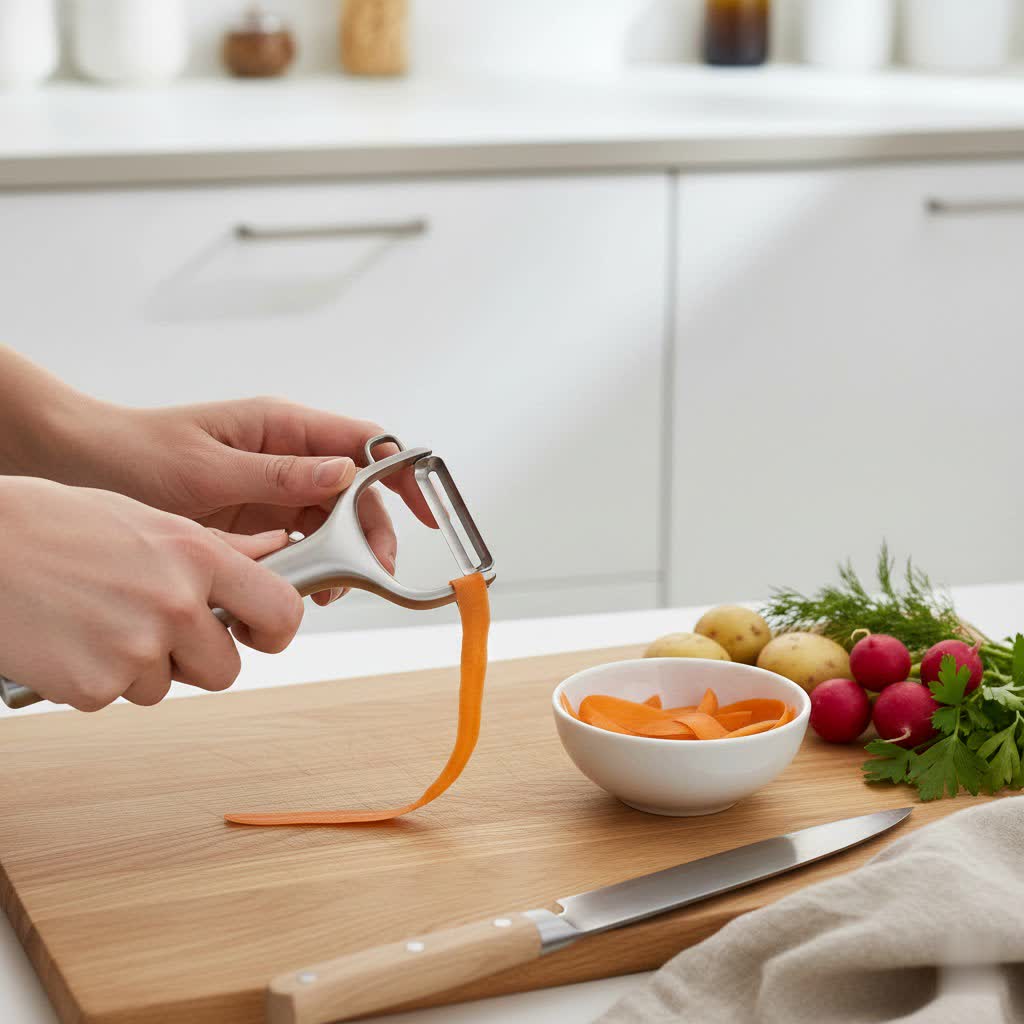
If your recipe calls for wider strips of zest, such as for garnishes, candying, or infusing liquids, a vegetable peeler is an excellent alternative. Both Y-peelers and swivel peelers can work effectively.
Hold the citrus fruit firmly in one hand and the vegetable peeler in the other. Apply very light pressure and draw the peeler down the surface of the fruit, aiming for shallow strokes. The key is to remove only the colored zest, leaving as much of the white pith behind as possible. You’ll get wide, flat strips. If a small amount of pith inevitably comes off with the zest, don’t despair. Lay the strip pith-side up on your cutting board and use a small, sharp paring knife or even the edge of a spoon to carefully scrape away the white layer. Once you have clean zest strips, you can use them as is, or further process them:
-
Mincing: Stack several strips and finely chop them with a chef’s knife for a coarser zest than a microplane provides.
-
Julienning (Ribbons): Stack the strips and slice them lengthwise into thin, elegant ribbons.
-
Pros/Cons: Vegetable peelers offer versatility in zest size, producing broader strips for specific culinary applications. However, they require a steady hand and careful attention to avoid the pith, and may involve an extra step of scraping.
3. The Paring Knife: For the Confident Cook
For those with a steady hand and a sharp blade, a paring knife can be used to yield long, broad strips of zest. This method requires a bit more skill and caution, but it’s effective for preparing zest for infusions or larger garnishes.
To use a paring knife, first, carefully trim off a small portion from both ends of the citrus fruit to create flat, stable surfaces. Stand the fruit upright on one of these flat ends. Then, working from top to bottom, carefully slice downwards along the curve of the fruit, removing only the brightly colored peel in long, wide strips. Keep the blade shallow to minimize the amount of pith. If pith remains, gently scrape it away as you would with a vegetable peeler. Once the zest is free of pith, you can mince or julienne it to your desired size.
- Importance of a Sharp Knife: A dull knife is more dangerous than a sharp one, as it requires more force and is prone to slipping. Always use a well-sharpened paring knife for this technique.
4. The Box Grater: A Kitchen Staple (Use with Caution)
Most kitchens have a box grater, which can serve as a makeshift zester in a pinch. You’ll want to use the side with the smallest holes, typically reserved for hard cheeses or ginger.
Hold the box grater firmly over a plate or bowl. Gently rub the citrus fruit across the small holes, applying light pressure and rotating the fruit frequently. The goal is to remove only the colored zest. As soon as you hit the white pith, move to a different section of the fruit.
- Cons: While convenient, the box grater is generally less efficient than a microplane. It can be more challenging to avoid the pith, and the grating action might cause the zest to lose some of its volatile, flavorful oils, resulting in a less aromatic product. It also tends to produce a coarser zest.
Expert Tips for Maximizing Your Zesting Success
Beyond mastering the tools, a few expert tips can significantly enhance your zesting experience and the quality of your zest.
Always zest before juicing. This is a golden rule for a reason. A whole, firm citrus fruit is much easier to handle and provides better resistance against your zester or peeler. Once juiced, the fruit becomes soft and pliable, making it tricky to zest efficiently and cleanly.
Use room temperature citrus. Lemons, limes, and oranges tend to release their aromatic oils more readily when they are at room temperature. If your citrus has been refrigerated, allow it to sit on the counter for 15-30 minutes before zesting. You can also gently roll the fruit on a countertop with light pressure before zesting, which helps to soften the rind and release oils.
Practice makes perfect. Zesting without pith is a skill that improves with repetition. Don’t be discouraged if your first attempts aren’t flawless. With each fruit, you’ll develop a better feel for the right pressure and angle, making the process faster and more efficient.
Properly store leftover zest. Fresh citrus zest is potent and flavorful, but its oils are volatile. For short-term storage, place zest in an airtight container or a small zip-top bag and refrigerate for up to 2-3 days. For longer preservation, spread the zest in a single layer on a parchment-lined baking sheet and freeze until solid. Then, transfer the frozen zest to an airtight freezer-safe bag or container. Frozen zest can maintain its vibrant flavor for several months and can be used directly from the freezer in most recipes.
Common Zesting Mistakes to Avoid
Even with the right tools and techniques, certain pitfalls can lead to less-than-ideal zest. Being aware of these common mistakes can help you avoid them.
Peeling too deep: The most frequent error is applying too much pressure, causing your tool to dig past the colorful zest and into the bitter white pith. Remember to use a light touch and rotate the fruit constantly.
Using dull tools: A dull microplane, peeler, or knife will tear rather than cleanly shave the zest. This not only makes the process harder but can also bruise the zest, releasing less flavor. Ensure your tools are sharp for optimal results.
Not washing the fruit: As discussed, skipping the washing step can transfer unwanted waxes, dirt, or residues into your food. Always clean your citrus thoroughly.
Rushing the process: Zesting is a quick task, but rushing it increases the likelihood of incorporating pith or even accidental cuts. Take your time, especially when learning a new technique.
> “The secret to bright, beautiful zest is patience and a light hand. Rushing means you’ll often end up with bitter pith, masking the very flavor you’re trying to highlight.” – Chef Elena Rodriguez, Culinary Instructor
Conclusion
Mastering the art of zesting citrus without the bitter pith is a fundamental skill that significantly elevates your home cooking. By understanding the nature of pith, preparing your fruit meticulously, and choosing the right tool for the job – whether it’s the precision of a microplane, the versatility of a vegetable peeler, or the confidence of a paring knife – you can consistently achieve fragrant, flavorful zest. Embrace these techniques, and you’ll unlock a new dimension of flavor, transforming everyday dishes into extraordinary culinary experiences. So, grab your favorite citrus, choose your tool, and get zesting! What delicious dish will you elevate next with perfectly bright citrus zest?
Frequently Asked Questions
Is lemon zest the same as lemon peel?
While often used interchangeably, “lemon zest” specifically refers to the thin, colored outermost layer of the lemon’s skin, which contains aromatic oils. “Lemon peel” can refer to the entire rind, including the bitter white pith beneath the zest. When recipes call for zest, they mean only the colorful part, free of pith.
Can I zest citrus after juicing it?
It is generally more challenging to zest citrus after juicing it because the fruit becomes softer and more pliable, making it harder to hold and grate effectively. For the best results and ease of handling, always zest your citrus before extracting its juice.
How do I store citrus zest?
Fresh citrus zest can be stored in an airtight container in the refrigerator for up to 2-3 days. For longer preservation, you can freeze it in an airtight freezer bag or container for several months. Freezing preserves its vibrant flavor, and it can be used directly from frozen in most recipes.
What makes citrus pith bitter?
Citrus pith contains naturally occurring chemical compounds, primarily naringin and limonin. These compounds are responsible for the bitter taste. Limonin, in particular, can become more bitter when exposed to air and acid after the fruit is cut, which is why pith-free zest is preferred.
Are there other ways to remove pith from citrus besides zesting tools?
For whole segments or candied peels, methods like briefly boiling the entire citrus fruit can help loosen the pith, making it easier to remove with a knife or your fingers. However, these methods are more for preparing fruit segments or large pieces of peel and are not ideal for producing fine, fresh zest for flavoring dishes.