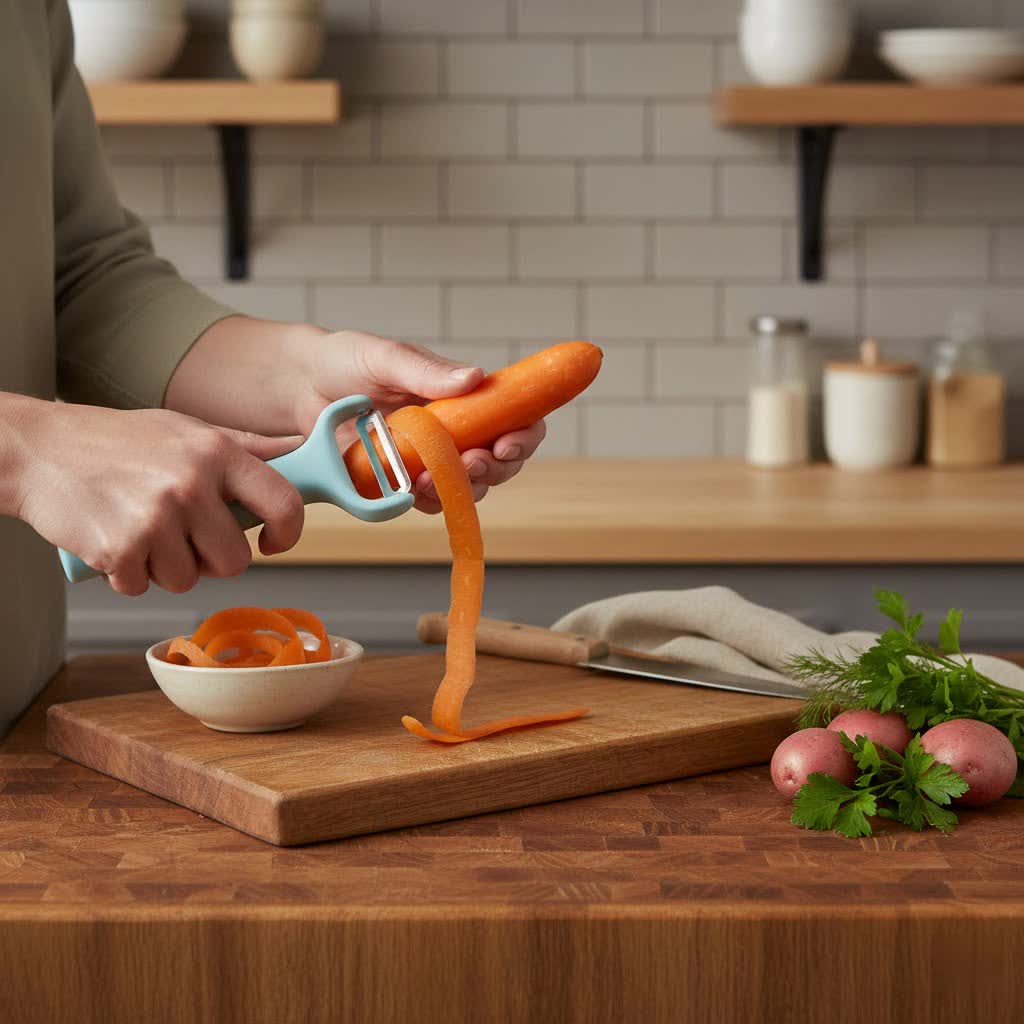
A bent peeler blade can transform a simple kitchen task into a frustrating ordeal, turning your efficient peeling tool into a cumbersome hazard. Instead of relegating it to the junk drawer or rushing to buy a new one, consider a do-it-yourself fix. With a few simple tools and a bit of patience, you can often restore your trusty peeler’s blade to its former glory, saving both money and waste. This comprehensive guide will walk you through the process, from understanding peeler mechanics to executing a safe and effective repair.
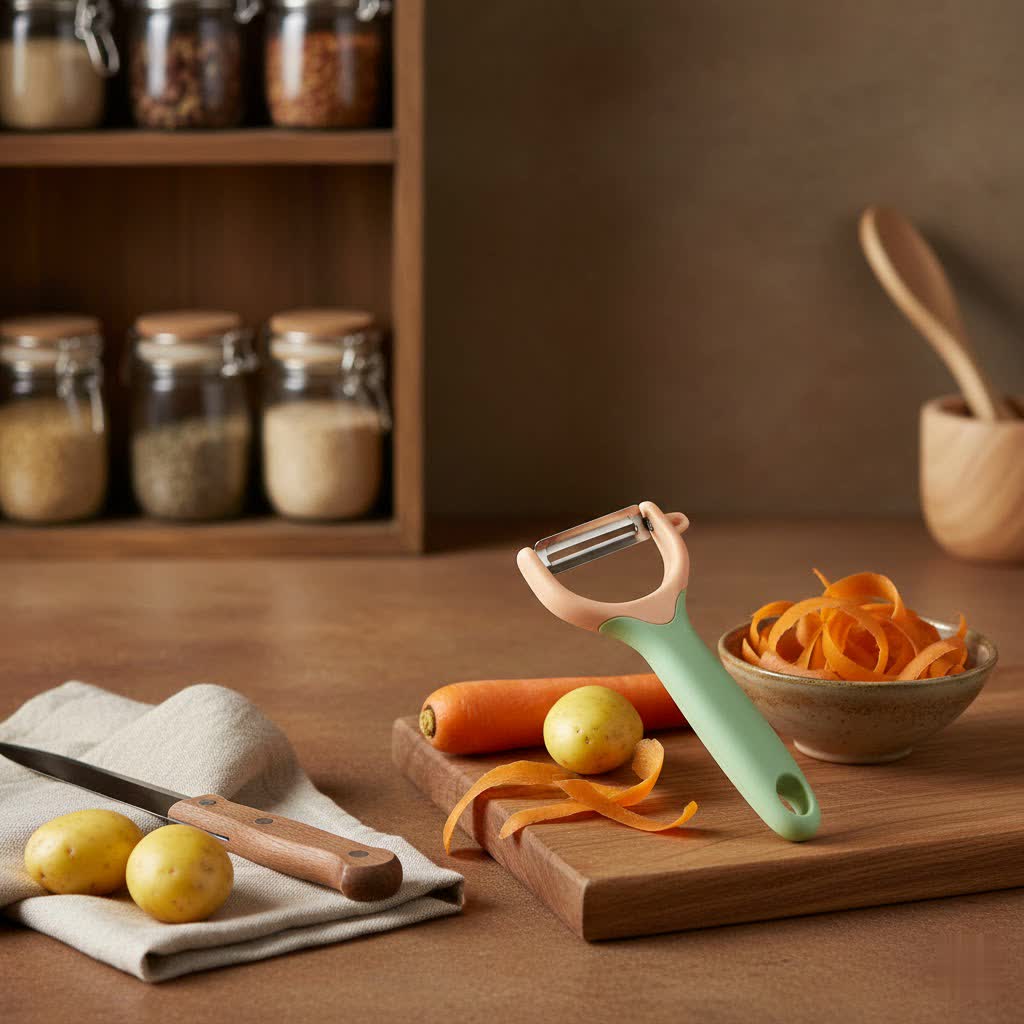
Understanding Peeler Blade Types and Their Susceptibility to Bending
Different peeler designs feature distinct blade mechanisms, each with varying degrees of flexibility and susceptibility to bending. Recognizing your peeler type is the first step in approaching a DIY blade repair.
Y-Peelers
Table is empty.Y-peelers, also known as Swiss peelers, feature a blade positioned perpendicularly to the handle, resembling the letter ‘Y’. The blade is often fixed within a frame or has a slight swivel. Their design can make them quite robust, but the exposed nature of the blade can lead to bending if excessive sideways pressure is applied or if dropped on a hard surface. The relatively rigid attachment of the blade means that any bend is usually contained within the blade itself or its immediate mounting, making careful straightening a possibility.
Swivel Peelers
Swivel peelers are characterized by a blade that pivots, allowing it to conform to the contours of fruits and vegetables. This flexibility, while excellent for peeling, can sometimes be a double-edged sword. The swivel mechanism itself might become misaligned or stiff, and the thinner, often more delicate blades are prone to bending, especially with aggressive use or impact. The ability of the blade to move might also mean that minor bends can sometimes be coaxed back into place more readily than with fixed blades, though severe bends may compromise the swivel action.
Serrated Peelers
Serrated peelers, whether in a Y-shape or swivel design, feature a finely toothed edge, ideal for peeling soft-skinned produce like tomatoes or peaches. The serrations, while effective, can make a bent blade more challenging to fix. A bend in a serrated blade can misalign these teeth, hindering their cutting ability and potentially making them catch rather than glide. Repairing such a blade requires extreme precision to avoid dulling or further damaging the delicate serrations, often making replacement a more practical solution if the bend is significant.
Comparing Peeler Blade Repair Feasibility Across Types
While the core principles of blade straightening remain similar, the design of your peeler impacts the feasibility and success rate of a DIY repair.
Detailed Repair Comparison
| Peeler Type | Blade Material Commonality | Susceptibility to Bending | DIY Repair Difficulty | Common Repair Outcome |
|---|---|---|---|---|
| Y-Peeler (Fixed Blade) | Stainless Steel, Carbon Steel | Moderate (due to fixed nature) | Moderate – Focus on blade | Good for minor bends |
| Y-Peeler (Swivel Blade) | Stainless Steel, Carbon Steel | Moderate-High (blade is thinner) | Moderate – Handle blade & swivel | Good for minor bends, swivel alignment might be an issue |
| Swivel Peeler | Stainless Steel | High (flexible blade mount) | Moderate-High – Gentle approach | Good for minor bends, ensure swivel still functions |
| Serrated Peeler | Stainless Steel | Moderate-High (delicate teeth) | High – Risk of damaging serrations | Best for very minor bends, otherwise replacement |
Stainless steel blades are generally more resilient and resistant to significant bending or breaking compared to ceramic alternatives, making them ideal candidates for DIY repair. Ceramic blades, while incredibly sharp, are more prone to chipping or snapping when subjected to bending forces, making repair attempts often unfeasible. Carbon steel blades offer excellent sharpness but require immediate drying after use to prevent rust, which can compromise the blade’s integrity over time.
A Guide to Choosing and Maintaining Peelers for Longevity (and Repairability)
Prevention is always better than cure, and choosing the right peeler, along with proper maintenance, can significantly reduce the chances of a bent blade. Furthermore, understanding what makes a peeler repairable can inform your next purchase.
Essential Factors for Blade Durability and Repair
When investing in a peeler, several factors contribute to its overall durability and potential for repair:
- Blade Material: Stainless steel is the most common and recommended material for peeler blades due to its durability, rust resistance, and ability to hold a sharp edge. It’s also more forgiving for minor straightening attempts than ceramic. Ceramic blades are exceptionally sharp but brittle and generally not suitable for straightening if bent. Carbon steel blades are very sharp but demand rigorous care to prevent rust.
- Blade Thickness and Construction: Thicker blades are inherently more resistant to bending than thinner ones. Examine how the blade is attached to the handle. A securely fastened blade, especially in a fixed-blade design, tends to withstand more stress.
- Handle Design: An ergonomic and comfortable handle not only improves user experience but also allows for better control, reducing the likelihood of accidental bending dueer to slips. A sturdy handle also provides a stable base if you need to apply gentle pressure for a DIY fix.
- Brand Reputation and Reviews: Reputable brands often use higher quality materials and construction methods, leading to more durable peelers. Check reviews for mentions of blade resilience and longevity.
Expert Advice for Peeler Care and DIY Blade Straightening
> “A peeler is a workhorse in the kitchen, and regular care dramatically extends its life. When a blade bends, always prioritize safety and a gentle, methodical approach over brute force.” – Chef Antoine Dubois, Culinary Tool Specialist.
- Proper Storage: Avoid tossing your peeler into a cluttered drawer where its blade can get bent by other utensils. Store it in a knife block, on a magnetic strip, or in a designated compartment.
- Gentle Use: While peelers are designed to be tough, avoid using them on overly hard surfaces or attempting to pry things. Let the sharp blade do the work with minimal force.
- Cleaning and Drying: Always clean your peeler immediately after use. For stainless steel, handwashing and thorough drying prevent water spots and rust. Carbon steel requires immediate handwashing and drying to avoid rust, which can compromise its structural integrity.
- Minor Bend Fix (The “Fork Trick”): For slight bends, especially in swivel or Y-peelers, you can often gently push the back of a fork or a sturdy, tapered knife handle into the peeler’s blade groove. Run it along the bent area with light, consistent pressure to coax the metal back into alignment. This method is effective for restoring the blade’s straightness without needing specialized tools.
- More Significant Bends (Vise Method): For more noticeable bends in robust stainless steel blades, carefully remove the blade if possible. Clamp the unbent part of the blade securely in a vise, protecting it with cloth or soft jaws. Then, very gently apply pressure with pliers or even your fingers to slowly bend the blade back into shape. Work in small increments, checking the blade’s alignment frequently. Excessive force will cause the blade to snap.
- Safety First: Always wear cut-resistant gloves and eye protection when attempting any blade repair. Blades can snap or splinter, causing injury. If the blade shows signs of cracking or extreme fatigue, it’s safer to replace the peeler.
Top Peeler Designs Known for Durability and Repair Potential
While the focus here is on DIY repair, some peeler designs and brands inherently offer greater longevity and, by extension, a better chance of successful repair or blade replacement.
Reviewing Durable and Repair-Friendly Peelers
When considering peelers, those with easily replaceable or robustly mounted stainless steel blades often stand out. While few manufacturers explicitly market “repairable” blades, designs that allow for blade removal (often held by small screws or rivets) are inherently more amenable to direct straightening or even replacement if the manufacturer offers spare parts.
- OXO Good Grips Swivel Peeler: Known for its comfortable, non-slip handle and sharp stainless steel swivel blade, this peeler is a common favorite. Its swivel blade is somewhat flexible, which can contribute to minor bends, but the overall construction is sturdy. Small bends are often fixable with the “fork trick” due to the blade’s design.
- Kuhn Rikon Original Swiss Peeler (Y-Peeler): A classic, lightweight Y-peeler often made with a carbon steel blade (though stainless steel versions exist). While carbon steel needs extra care to prevent rust, its straightforward design can make minor blade straightening relatively simple due to its fixed, thin profile. However, severe bends might be tricky to manage without impacting the blade’s temper.
- Rösle Stainless Steel Swivel Peeler: A premium option featuring high-quality stainless steel construction. These peelers are built to last, and while a bent blade is less likely, their superior material quality generally means a higher chance of successful, gentle straightening if a minor bend occurs.
Ultimately, peelers with solid, well-integrated stainless steel blades and simple designs tend to be the most forgiving for DIY blade straightening. However, remember that if a blade is severely damaged, cracked, or if attempts to straighten it prove futile, replacing the peeler is the safest and most efficient option.
Conclusion
A bent peeler blade doesn’t have to signal the end of its useful life. By understanding the common types of peelers and their blade characteristics, along with employing careful, gentle DIY techniques, you can often restore your essential kitchen tool. Prioritize safety, assess the extent of the damage, and use appropriate methods like the simple “fork trick” or a controlled vise application for more stubborn bends. Investing in durable stainless steel peelers and practicing good maintenance habits are also key to preventing future issues. With these tips, you can keep your peelers sharp, straight, and ready for all your culinary endeavors.
Have you successfully fixed a bent peeler blade yourself? Share your experience and tips in the comments below!
Frequently Asked Questions
Can a ceramic peeler blade be straightened if it’s bent?
No, ceramic peeler blades are extremely hard but brittle. They are prone to chipping or snapping if subjected to bending forces, making them unsuitable for straightening attempts. If a ceramic blade is bent or chipped, it generally needs to be replaced.
What tools do I need for a DIY bent peeler blade repair?
For minor bends, you might only need the back of a sturdy knife or a tapered fork handle. For more significant bends, a small vise with protective jaws, pliers, and possibly cut-resistant gloves and eye protection are recommended.
How much force should I use when trying to straighten a peeler blade?
Always use gentle, controlled force. Peeler blades are thin and can snap if too much pressure is applied too quickly. Work in small increments, gradually coaxing the blade back into alignment, and check its straightness frequently.
When should I consider replacing my peeler instead of fixing the blade?
If the blade has a severe bend, cracks, or visible stress fractures, or if your attempts to straighten it cause further damage, it is safer to replace the peeler. A compromised blade can be dangerous and inefficient.
Can a bent serrated peeler blade be fixed?
Fixing a bent serrated blade is highly challenging. A bend can misalign the delicate teeth, making the peeler ineffective or dangerous. For very minor bends, extreme caution and precision might allow for a gentle adjustment, but significant bends usually warrant replacement.