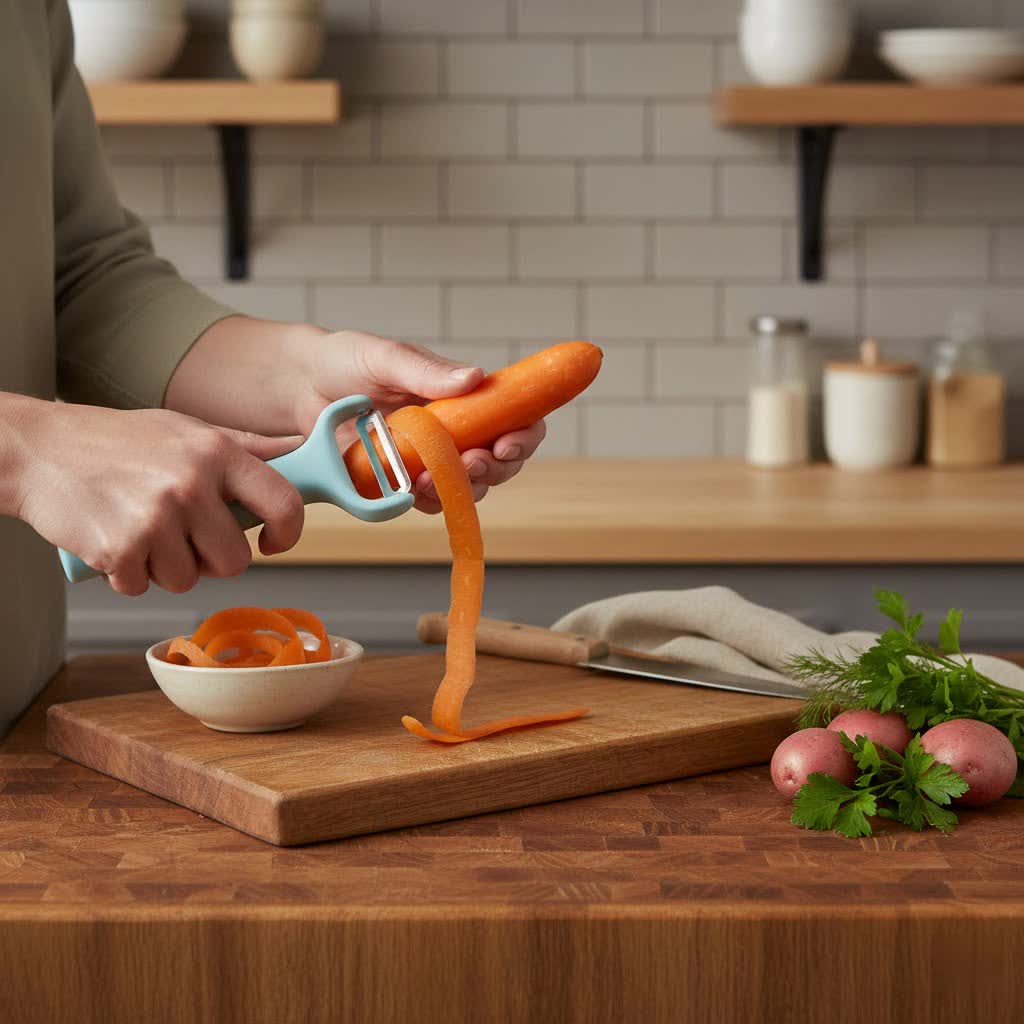
Peeling vegetables is a fundamental kitchen task, an essential step in preparing countless dishes. Yet, when faced with the diverse textures and shapes of produce, many home cooks wonder if a single peeler can truly do it all. The truth is, while many peelers offer general utility, dedicated designs and specific features can make a world of difference when tackling the distinct characteristics of vegetables like potatoes and asparagus. Understanding these nuances is key to efficient and enjoyable meal preparation.
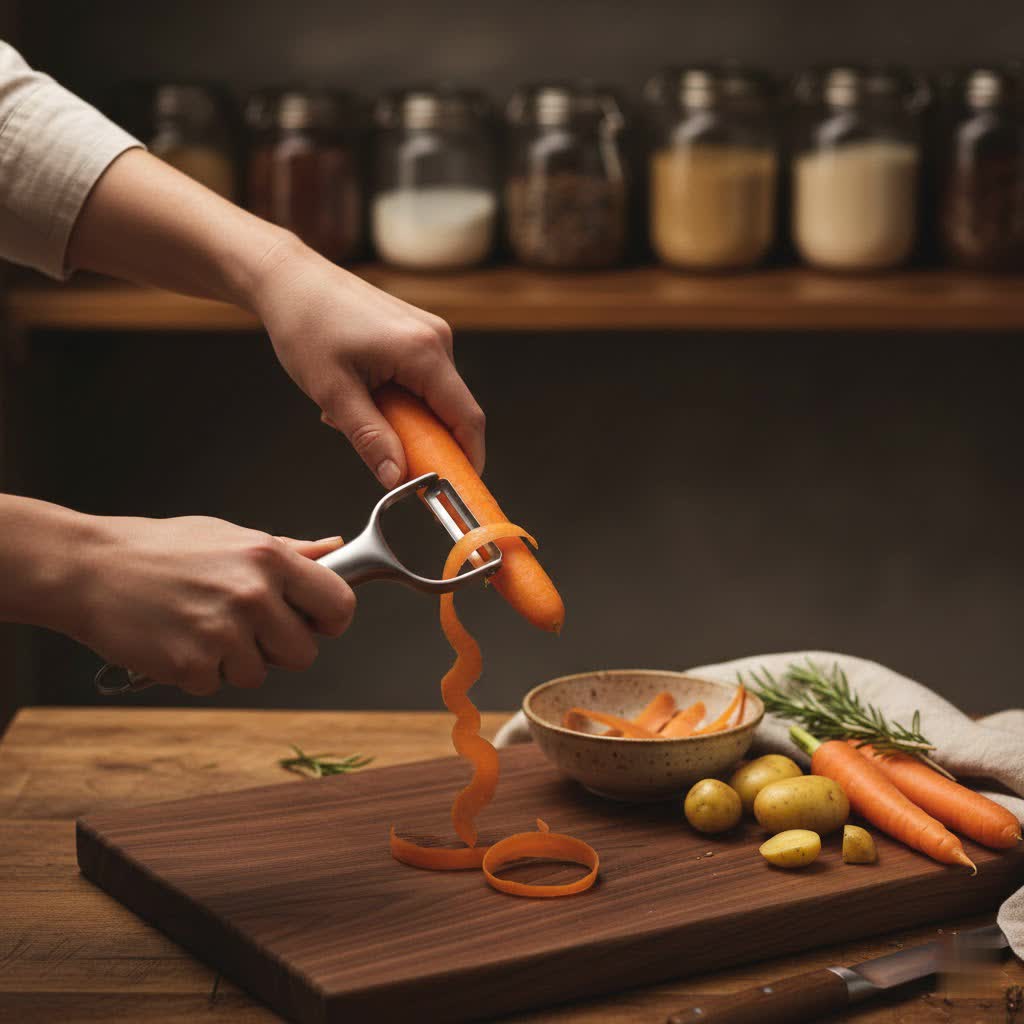
This guide will delve into the various types of peelers available, highlight their strengths and weaknesses, and specifically compare the ideal tools for potatoes and asparagus. By examining blade types, handle designs, and specialized features, you’ll be equipped to choose the perfect peeler that not only simplifies your kitchen routine but also enhances your culinary results. Let’s unlock the secrets to effortless peeling and find your ideal kitchen companion.
Common Types of Vegetable Peelers
Before diving into specific applications, it’s essential to understand the foundational types of vegetable peelers that dominate kitchen drawers. Each design offers a unique approach to removing skins, catering to different preferences and produce.
Swivel/Straight Peeler
The swivel peeler, also known as an I-peeler or straight peeler, features a blade that is parallel to the handle and pivots as you glide it over a vegetable. This design is highly versatile and widely popular.
- Advantages: Its pivoting blade allows it to conform to the contours of various vegetables, making it effective for long, straight strokes on items like carrots and cucumbers. Many find it intuitive to use, and it offers excellent maneuverability for navigating around irregular shapes.
- Disadvantages: While adaptable, it can sometimes feel less stable when peeling very large or round items like potatoes, potentially requiring more effort or multiple passes.
- How to Use: Hold the vegetable firmly in one hand and draw the peeler blade along its length, allowing the blade to pivot and follow the shape. It works well with both pushing and pulling motions.
- Popular Brands: OXO Good Grips Pro Swivel Peeler, Linden Sweden Original Jonas.
|
Our Picks for the Best Peeler in 2026
As an Amazon Associate I earn from qualifying purchases.
|
||
| Num | Product | Action |
|---|---|---|
| 1 | OXO Good Grips Swivel Peeler |

|
| 2 | Linden Sweden Original Jonas Vegetable Peeler - Rust Resistant Silver Carrot and Potato Peeler with Ergonomic Handle for Safety and Control - Dishwasher Safe and Compact - Made In Sweden - 6.5in |
|
| 3 | KitchenAid Classic Euro Peeler, 8.6 inches, Black |
|
| 4 | TACGEA Vegetable Peeler for Kitchen, Potato Peelers for Fruit Straight Blade, Durable Non-Slip Handle, Set of 2 |
|
| 5 | Kuhn Rikon Original Swiss Peeler 3-Pack Red/Green/Yellow |
|
| 6 | Spring Chef Premium Swivel Vegetable Peeler, Soft Grip Handle and Ultra Sharp Stainless Steel Blades - Perfect Kitchen Peeler For Veggie, Fruit, Potato, Carrot, Apple - Black |
|
| 7 | 2PCS Premium Vegetable Peeler with Wooden Handle and Bottle Opener, Multi-Functional Vegetable Peeler, Stainless Steel Blade Kitchen Tool for Fruit |
|
| 8 | Rainspire Vegetable Peeler Potato Peelers for Kitchen, Sharp Stainless Steel Blades Veggie, Comfortable Handle Fruit Peeler, Carrot Peeler Apple Peeler Dishwasher Safe Black, 1-Pack |
|
| 9 | OXO Good Grips Y-Peeler |
|
| 10 | FUHUY Vegetable, Apple Peelers for kitchen, Fruit, Carrot, Veggie, Potatoes Peeler, Y-Shaped and I-Shaped Stainless Steel Peelers, with Ergonomic Non-Slip Handle & Sharp Blade, Good Sturdy (2PCS) |
|
Y-Peeler
The Y-peeler, often called a horizontal peeler, gets its name from its shape, where the blade is positioned perpendicular to the handle, forming a “Y.” This design is favored by many professional chefs for its speed and ergonomics.
- Advantages: The wide handle typically offers a comfortable, lighter grip, reducing hand fatigue during extensive peeling sessions. The horizontal blade allows for wider, more efficient strokes, making it faster for large quantities of produce. It excels on both large, round vegetables and longer items. It often yields very thin, consistent peels, minimizing waste.
- Disadvantages: For those accustomed to swivel peelers, the Y-peeler’s technique can take a little getting used to.
- How to Use: Hold the vegetable in one hand and the peeler in the other, pulling the blade down the length of the vegetable. The design allows for powerful, full-length passes.
- Popular Brands: OXO Good Grips Y-Peeler, Kuhn Rikon Original Swiss Peeler.
Serrated Peeler
A serrated peeler features a blade with small, sharp teeth, similar to a serrated knife. This specialized blade design opens up possibilities for peeling produce that standard peelers struggle with.
- Advantages: The serrated edge provides excellent grip on slick or delicate skins, making it perfect for soft-skinned fruits and vegetables like tomatoes, peaches, and bell peppers, which a smooth blade might just slip over or crush. It is also highly effective on tougher, waxy skins such as those found on squash or even asparagus.
- Disadvantages: The serrated blade might leave very fine ridges on the peeled surface, though these are often unnoticeable once cooked. It’s generally not as fast for bulk peeling of firm, smooth-skinned items compared to a Y-peeler.
- How to Use: Apply gentle pressure and glide the serrated blade over the skin. The teeth grip the surface, allowing for easy removal.
- Popular Brands: Kuhn Rikon Serrated Piranha Swivel Peeler, OXO Good Grips Serrated Peeler.
Understanding Potato Peeling
Potatoes are a staple in many kitchens, and while some recipes call for leaving the skin on, many others require them to be peeled. The act of peeling potatoes is often associated with durability, efficiency, and comfort, given the volume typically processed.
Why Peel Potatoes?
Peeling potatoes is often done for aesthetic reasons, to achieve a smoother texture in dishes like mashed potatoes or purees, or to remove blemishes, eyes, and any green areas which can be bitter or toxic. While potato skins are edible and nutritious, many culinary traditions prefer skinless potatoes for specific preparations.
Ideal Peeler Characteristics for Potatoes
When selecting a peeler for potatoes, several key characteristics come into play:
- Robust Blade: Potato skins, while thin, can be firmly attached and require a sharp, sturdy blade for efficient removal.
- Comfortable Grip: Peeling a large batch of potatoes can be a lengthy task, so an ergonomic, non-slip handle that fits comfortably in the hand is crucial to prevent fatigue.
- Potato Eyer: A small, pointed scoop or loop integrated into the peeler’s design is invaluable for easily removing eyes and blemishes without wasting too much of the potato flesh.
Recommended Peeler Types for Potatoes
- Y-Peeler: Often considered the champion for potatoes. Its horizontal blade and comfortable grip allow for wide, powerful strokes that quickly strip away skin from large, round surfaces. The stability of the grip and the efficiency of the blade make it ideal for tackling big potatoes.
- Swivel Peeler: A good swivel peeler is also a highly effective tool for potatoes. Its flexible blade navigates the potato’s curves and contours with ease, making it versatile for various sizes. Many traditional “potato peelers” are swivel-style, especially those with a fixed blade and a pointed end for removing eyes.
- Fixed-Blade Peeler (e.g., Lancashire Peeler): These older, more traditional designs offer exceptional stability. With a straight handle and a non-moving blade, they are pushed along the vegetable, and often feature a pointed tip specifically for digging out potato eyes.
Understanding Asparagus Peeling
Asparagus, with its delicate spears and sometimes fibrous base, presents a different challenge than the robust potato. Peeling asparagus is a technique reserved for specific culinary results.
Why Peel Asparagus?
While thin asparagus spears rarely require peeling, thicker stalks often develop a tough, woody, or fibrous outer layer, particularly towards the bottom. Peeling these thicker stalks transforms them into uniformly tender, delicious spears, significantly improving the eating experience and reducing waste compared to simply snapping off the ends. It ensures every bite is succulent and free from stringiness.
Ideal Peeler Characteristics for Asparagus
Peeling asparagus demands precision and a gentle touch:
- Precise, Thin Blade: The goal is to remove only the thinnest outer layer of skin, preserving as much of the tender green flesh as possible. A blade that shaves too deeply will result in unnecessary waste.
- Delicate Handling: Asparagus stalks are long and relatively fragile. The peeler’s design should allow for careful manipulation to avoid breaking the spears during peeling.
- Stability for Long Stalks: The tool should enable a steady hand to make continuous, even strokes along the length of the stalk.
Recommended Peeler Types for Asparagus
- Specialized Asparagus Peeler: These niche tools are explicitly designed for asparagus. Some resemble tongs, where the stalk is pulled through a guarded blade that shaves off the skin. Others are single-handled with a flexible, adjustable blade that guides the stalk, ensuring a minimal, precise peel. These are engineered for optimal waste reduction and ease of use on asparagus.
- Serrated Peeler: Due to its gentle gripping action, a serrated peeler is an excellent choice for asparagus. The fine teeth effortlessly catch the slightly fibrous skin without slipping or damaging the delicate stalk beneath, providing a clean, thin peel.
- Y-Peeler (with caution): A sharp Y-peeler can be used for thicker asparagus stalks, but it requires a very delicate touch. The wider blade, while efficient for potatoes, can sometimes remove too much asparagus flesh if not handled carefully. It’s best used for the lower, thicker parts of the stalk.
Direct Comparison: Potato vs. Asparagus Peelers
Understanding the direct differences can help you prioritize your kitchen tool investments.
| Feature / Peeler Type | Potato Peeler (General Purpose) | Asparagus Peeler (Specialized) |
|---|---|---|
| Primary Shape | Y-peeler, Swivel peeler | Often a Y-shape, but can be tong-like or with specialized guide |
| Blade Type | Straight edge, durable. Swivel or fixed. | Very fine, often serrated or flexible, designed for precision. |
| Peeling Depth | Can be slightly thicker, removing blemishes. | Extremely thin, minimizing loss of tender flesh. |
| Handle | Robust, ergonomic, designed for sustained effort. | Often slimmer, designed for delicate, precise control over thin stalks. |
| Special Features | Built-in potato eyer is common. | Guides or cradles for thin stalks to prevent breakage. |
| Best for | Large, round, firm vegetables. | Long, thin, delicate, or fibrous stalks. |
| Waste Reduction | Efficient for overall peeling. | Exceptional at removing only the outermost fibrous layer. |
Expert Tips for Choosing Your Peeler
Choosing the right peeler can significantly impact your efficiency and enjoyment in the kitchen. Consider these expert recommendations:
- Assess Your Most Frequent Use: If you regularly prepare large quantities of root vegetables or fruits, a robust Y-peeler or a high-quality swivel peeler is a wise investment. If asparagus is a common delicacy in your home, a specialized asparagus peeler or a fine serrated peeler will prove invaluable.
- Blade Material Matters:
- Stainless Steel: The most common and versatile choice, offering a good balance of sharpness, durability, and rust resistance.
- Carbon Steel: Known for exceptional sharpness, though it requires careful cleaning and drying to prevent rust.
- Ceramic: Extremely sharp and rust-proof, but can be brittle and prone to chipping if dropped.
- Handle Comfort is Key: An ergonomic handle with a non-slip grip will save your hands from fatigue, especially during extensive peeling tasks. Test different styles to see what feels best.
- Ease of Cleaning: Most modern peelers are dishwasher safe, but always check manufacturer instructions. Simple designs with fewer crevices are generally easier to clean.
- Versatility vs. Specialization: A good general-purpose peeler (like a quality Y-peeler or swivel peeler) will handle most of your peeling needs effectively. However, for specific tasks like peeling delicate asparagus, a specialized tool can offer unmatched precision and a superior result.
“The right peeler isn’t just a convenience; it’s an extension of your culinary intention, ensuring every ingredient is prepped to perfection without unnecessary effort or waste.”
Top-Rated Peelers for Potatoes and Asparagus
Based on user experience and expert reviews, certain peelers consistently stand out for their performance.
- Best Overall General Purpose (Excellent for Potatoes):
- OXO Good Grips Y-Peeler: Celebrated for its ergonomic design, sharp stainless steel blade, and comfort, making potato peeling a breeze. It often includes a potato eyer.
- Linden Sweden Original Jonas (Swivel): A classic, lightweight, and incredibly sharp swivel peeler that performs consistently on a wide array of produce, including potatoes.
- Best for Asparagus (Specialized):
- OXO Good Grips Asparagus Prep Peeler: This specialized tool is designed specifically to strip the tough, woody layer from asparagus stems with precision, minimizing waste and ensuring tender spears.
- Best Versatile Option (Handles Both Well):
- Kuhn Rikon Serrated Piranha Swivel Peeler: Its serrated blade makes it excellent for tough-skinned vegetables like squash, but also surprisingly effective for delicate tasks like peeling asparagus or tomatoes, and handles potatoes capably.
Conclusion
The world of peelers offers more than just a one-size-fits-all solution. While a reliable general-purpose peeler can certainly handle many tasks, understanding the unique demands of different vegetables like potatoes and asparagus reveals the value of specialized design. Potatoes benefit from peelers with robust blades and comfortable grips, often Y-shaped or traditional swivel designs that can power through firm skins and remove blemishes. Asparagus, on the other hand, thrives with tools that offer precision, thin peeling, and delicate handling, such as specialized asparagus peelers or fine serrated blades, to preserve its tender essence.
Ultimately, choosing the right peeler is about aligning the tool with the task. By considering your most frequent culinary needs and the specific characteristics of the produce you handle, you can invest in a peeler that not only simplifies your kitchen prep but also elevates the quality of your cooking. Which peeler will you choose to enhance your kitchen arsenal and become your trusted culinary companion?
Frequently Asked Questions
Can I use a regular vegetable peeler for asparagus?
Yes, a regular Y-peeler or swivel peeler can be used for asparagus, especially for thicker stalks. However, for best results and minimal waste, particularly with delicate spears, a specialized asparagus peeler or a serrated peeler is often preferred as they are designed for thinner, more precise peeling.
What is a potato eyer, and why is it important?
A potato eyer is a small, sharp scoop or point typically found on the side or end of a peeler. It’s used to efficiently remove “eyes” (sprouts) and small blemishes from potatoes without having to cut away large portions of the vegetable, thus reducing waste.
Are serrated peelers better than straight-edge peelers?
Neither is inherently “better”; they serve different purposes. Serrated peelers excel at peeling delicate skins (like tomatoes or peaches) or tough, waxy skins (like squash or asparagus) because their teeth grip the surface. Straight-edge peelers (swivel or Y-shaped) are generally more efficient for firm, smooth-skinned produce like potatoes and carrots.
How do I clean and maintain my peeler?
Most modern peelers are dishwasher safe, but hand washing with warm, soapy water immediately after use is often recommended to maintain blade sharpness and prevent corrosion. Always dry your peeler thoroughly, especially those with carbon steel blades, to prevent rust. Store it safely to protect the blade.
Is it really necessary to peel asparagus?
Peeling asparagus is not always necessary. Thin, young asparagus spears typically do not need to be peeled. However, thicker asparagus stalks often have a tough, woody, or fibrous outer layer, especially towards the base. Peeling these thicker stalks improves their texture, making them uniformly tender and more enjoyable to eat.