In the bustling heart of any kitchen, the humble peeler often works tirelessly, transforming rough, unyielding produce into culinary masterpieces. But for all its utility, this sharp-bladed tool can quickly turn into a source of frustration or, worse, an unexpected injury if not handled with care. If you’ve ever found yourself wincing while peeling a potato or nervously navigating the skin of a butternut squash, you’re not alone. The quest for peeling speed without sacrificing finger safety is a common kitchen dilemma. This comprehensive guide will arm you with expert techniques, help you choose the right peeler, and share essential safety tips, ensuring your peeling adventures are fast, efficient, and free from nicks and cuts.
Popular Peeler Types
Understanding the different types of peelers available is the first step towards a safer and more efficient peeling experience. Each design offers unique advantages for various types of produce and peeling styles.
Swivel Peeler
The swivel peeler, also known as a straight peeler, features a blade that pivots, allowing it to conform to the contours of fruits and vegetables. This flexibility makes it a popular choice for many home cooks.
- Advantages: Swivel peelers are incredibly versatile, adapting well to both straight and irregularly shaped produce. Their pivoting blade reduces resistance, making them effective for items like apples, potatoes, and cucumbers. The design can be intuitive for those accustomed to holding a knife.
- Disadvantages: While versatile, some users find them less efficient for longer vegetables, as the blade can occasionally get clogged with peel. They might require more wrist movement compared to other types.
- How to Use: Hold the vegetable firmly in one hand and the peeler in the other, much like a regular knife. Peel away from your body using either short, controlled strokes or a continuous motion. For optimal safety, always direct the blade away from your fingers.
- Notable Brands: OXO Good Grips Swivel Peeler is frequently praised for its comfortable, non-slip handle and sharp blade.
|
Our Picks for the Best Peeler in 2026
As an Amazon Associate I earn from qualifying purchases.
|
||
| Num | Product | Action |
|---|---|---|
| 1 | Linden Sweden Original Jonas Vegetable Peeler - Rust Resistant Silver Carrot and Potato Peeler with Ergonomic Handle for Safety and Control - Dishwasher Safe and Compact - Made In Sweden - 6.5in |

|
| 2 | OXO Good Grips Swivel Peeler |
|
| 3 | 2PCS Premium Vegetable Peeler with Wooden Handle and Bottle Opener, Multi-Functional Vegetable Peeler, Stainless Steel Blade Kitchen Tool for Fruit |
|
| 4 | KitchenAid Classic Euro Peeler, 8.6 inches, Black |
|
| 5 | Rainspire Vegetable Peeler Potato Peelers for Kitchen, Sharp Stainless Steel Blades Veggie, Comfortable Handle Fruit Peeler, Carrot Peeler Apple Peeler Dishwasher Safe Black, 1-Pack |
|
| 6 | TACGEA Vegetable Peeler for Kitchen, Potato Peelers for Fruit Straight Blade, Durable Non-Slip Handle, Set of 2 |
|
| 7 | Spring Chef Premium Swivel Vegetable Peeler, Soft Grip Handle and Ultra Sharp Stainless Steel Blades - Perfect Kitchen Peeler For Veggie, Fruit, Potato, Carrot, Apple - Black |
|
| 8 | FUHUY Vegetable, Apple Peelers for kitchen, Fruit, Carrot, Veggie, Potatoes Peeler, Y-Shaped and I-Shaped Stainless Steel Peelers, with Ergonomic Non-Slip Handle & Sharp Blade, Good Sturdy (2PCS) |
|
| 9 | Kuhn Rikon Original Swiss Peeler 3-Pack Red/Green/Yellow |
|
| 10 | OXO Good Grips Y-Peeler |
|
Y-Peeler
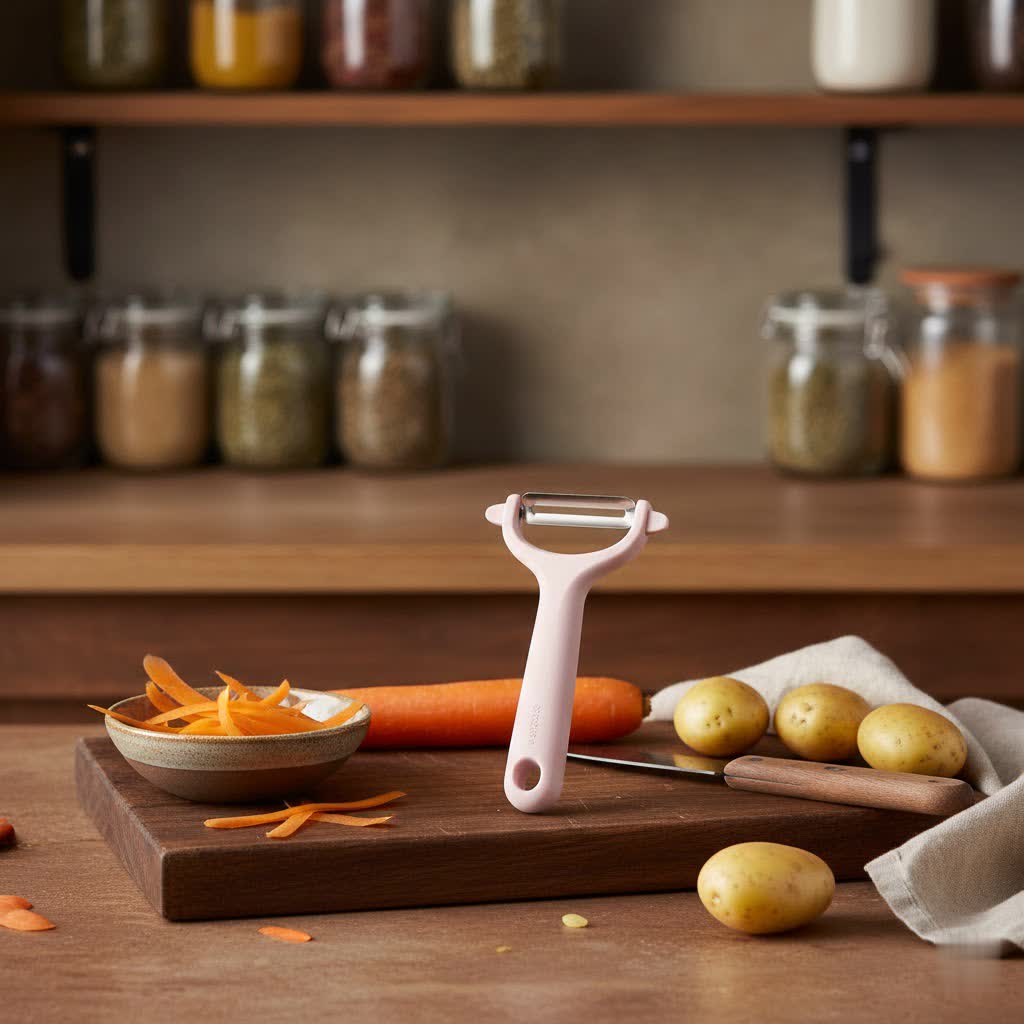
Named for its “Y” shape, with the blade perpendicular to the handle, the Y-peeler (also known as a horizontal peeler) is often the preferred choice among professional chefs for its speed and ergonomic grip.
- Advantages: Y-peelers are known for their exceptional speed and efficiency, especially on longer vegetables like carrots and zucchini. Their design allows for a more natural, downward or outward peeling motion, often making them feel more stable and less prone to slipping. Many models are ambidextrous and can peel in both directions.
- Disadvantages: For beginners, the Y-peeler might take a little getting used to compared to the more familiar knife-like grip of a swivel peeler. Some may find it slightly less agile for very small or highly irregular produce.
- How to Use: Grip the handle like you would a pencil, with your thumb and forefinger providing control. Position the blade at the top of the vegetable and peel away from your body with long, fluid strokes. Rotate the vegetable as you go to ensure even peeling.
- Notable Brands: The OXO Good Grips Y-Peeler, Kuhn Rikon Original Swiss Peeler, and Linden Sweden Original Jonas Peeler are highly recommended for their sharpness, comfort, and precision.
Serrated Peeler
A serrated peeler features a toothed blade, designed specifically to grip and peel delicate, soft skins without tearing or bruising the fruit or vegetable beneath.
- Advantages: This peeler excels at handling produce with thin, slippery, or fuzzy skins that regular peelers might struggle with. Think tomatoes, peaches, kiwis, bell peppers, and even eggplant. The serrations gently “saw” through the skin, providing excellent traction.
- Disadvantages: Serrated peelers are not ideal for firm, thick-skinned vegetables like potatoes or carrots, where their aggressive blade might remove too much flesh.
- How to Use: Apply light, consistent pressure and use gentle strokes. The serrated blade will do most of the work, carefully gripping the skin. As with all peelers, direct the motion away from your body and fingers.
- Notable Brands: Microplane Professional Serrated Peeler and OXO Good Grips Serrated Peeler are well-regarded options in this category.
Comparing Peeler Types: Speed, Safety & Versatility
Choosing the right peeler significantly impacts both your speed and safety in the kitchen. While all types have their merits, certain designs offer distinct advantages for different tasks.
Detailed Comparison Table
| Feature | Swivel Peeler | Y-Peeler | Serrated Peeler |
|---|---|---|---|
| Blade Material | Stainless Steel | Stainless Steel | Stainless Steel (Serrated Edge) |
| Handle Design | Ergonomic, often with rubberized grip | Ergonomic, often wider for better leverage | Similar to Swivel or Y-Peeler, but focused on grip |
| Peeling Motion | Back-and-forth or away from body; pivoting blade | Primarily away from body; long, fluid strokes | Gentle, consistent strokes; “sawing” action |
| Best For | Potatoes, apples, cucumbers, moderate shapes | Carrots, zucchini, long vegetables, consistent shapes | Tomatoes, peaches, kiwis, soft/slippery skins |
| Safety Score | Good (with proper technique) | Excellent (natural away-from-body motion) | Good (less force needed on delicate items) |
| Speed Score | Moderate to Fast | Fast to Very Fast | Moderate (for specific soft-skinned items) |
| Versatility | High (general purpose) | High (excellent for most common vegetables) | Medium (specialized for soft skins) |
Y-peelers generally boast superior speed, often peeling vegetables nearly twice as quickly as traditional swivel peelers due to their broader blade and ergonomic design that facilitates longer, more consistent strokes. This efficiency also contributes to safety, as less effort reduces the chance of slips. Swivel peelers, while versatile, may require more dexterity and can sometimes get bogged down by accumulated peels. Serrated peelers prioritize delicate handling over raw speed, ensuring thin, clean peels from soft produce without damaging the flesh.
Your Essential Buying Guide for a Safer Peeling Experience
Investing in a quality peeler is an investment in your kitchen efficiency and, more importantly, your safety. Don’t underestimate the impact a well-chosen peeler can have.
Key Factors to Consider
- Blade Material: The blade is the heart of your peeler.
- Stainless Steel: The most common and recommended material. Look for high-quality stainless steel that holds a sharp edge and resists rust. A sharp blade is paramount for safety, as it requires less force, reducing the risk of slipping.
- Ceramic: While incredibly sharp and rust-proof, ceramic blades are more brittle and prone to chipping or breaking if dropped.
- Handle Design: A comfortable and secure grip is crucial for control and preventing accidents.
- Ergonomic: The handle should fit comfortably in your hand, reducing strain during prolonged peeling tasks.
- Non-Slip: Look for handles made with materials like silicone, rubber, or textured plastic that provide a firm grip, even when your hands are wet or greasy.
- Durability and Longevity: A good peeler should withstand regular use and cleaning.
- Construction: Check for sturdy construction where the blade is securely attached to the handle.
- Ease of Cleaning: Peelers with minimal crevices are easier to clean, preventing food buildup and maintaining hygiene. Some are dishwasher safe, but hand-washing often preserves blade sharpness longer.
- Price and Brand Reputation: While peelers are generally affordable, investing a few extra dollars in a reputable brand often pays off in terms of performance, durability, and safety features. Well-known brands frequently prioritize ergonomic design and high-quality blades.
Expert Advice
Choosing the right peeler is a personal decision, but here are some insights to guide you:
- Match to Your Needs: Consider the types of fruits and vegetables you peel most often. If you frequently peel long, firm vegetables, a Y-peeler might be your best bet. For delicate skins, a serrated peeler is invaluable. Many home cooks benefit from having both a Y-peeler and a serrated peeler.
- Practice Your Grip: Before tackling a large batch of produce, practice holding different peeler types and performing the peeling motion. A Y-peeler held like a pencil often provides excellent control.
- Peeler Care: To maintain sharpness and longevity, always wash your peeler promptly after use and dry it thoroughly. Store it safely in a drawer organizer or knife block to protect the blade and prevent accidental cuts.
- Avoid Common Mistakes: The biggest peeling pitfalls include using a dull blade (which forces you to apply more pressure, increasing slip risk), peeling towards your fingers, and rushing the process. Slow and steady wins the race for safety and clean peels.
“A sharp peeler is your best friend in the kitchen. It glides through skins effortlessly, reducing the force needed and dramatically lowering your risk of injury. Never underestimate the danger of a dull blade.” – Chef Antoine Dubois, Culinary Instructor & Kitchen Safety Expert
Top Picks for Fast & Finger-Friendly Peelers
Based on extensive testing and user reviews, several peelers consistently rise to the top for their combination of safety, speed, and overall performance.
Detailed Reviews
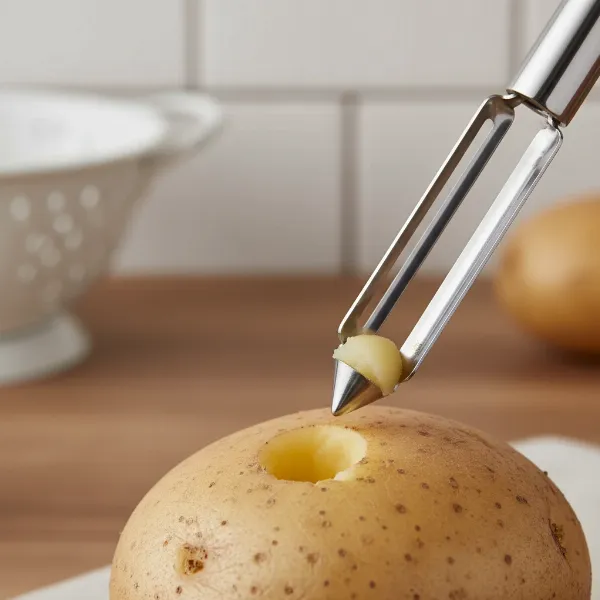
- OXO Good Grips Y-Peeler: This peeler is a perennial favorite for good reason. Its ergonomic, non-slip handle provides exceptional comfort and control, even with wet hands. The sharp stainless steel blade makes quick work of most vegetables, from potatoes to carrots, and its Y-shape naturally encourages peeling away from your body for added safety. It’s also often praised for its integrated potato “eyer.”
- Kuhn Rikon Original Swiss Peeler: Don’t let its simple design fool you; this peeler is a powerhouse of efficiency. Known for its ultra-sharp carbon steel blade and lightweight construction, it glides through skins with minimal effort. While the handle is thin, its effectiveness and value (often sold in multi-packs) make it a top choice for quick and clean peels.
- Linden Sweden Original Jonas Peeler: Another classic, the Jonas peeler is celebrated for its precise, razor-sharp blade and lightweight feel. It excels at delivering thin, consistent peels across a variety of produce, making it incredibly fast. Its simplicity and robust performance have made it a favorite for decades.
- Microplane Professional Serrated Peeler: When dealing with delicate skins, this peeler is unmatched. Its professional-grade serrated blade effortlessly grips and removes the skin from tomatoes, peaches, and other soft fruits without squishing them. The comfortable handle ensures a secure grip, making tricky peeling tasks safe and easy.
Advanced Peeling Techniques for Ultimate Safety and Speed
Beyond choosing the right peeler, mastering specific techniques can elevate your peeling game, making you faster and minimizing any risk of injury.
Master Your Grip and Stance
- Firm, Stable Hold: Always hold the fruit or vegetable firmly in your non-dominant hand. For longer or rounder items, consider bracing the end against a cutting board for added stability.
- Peel Away from Your Body: This is the golden rule of peeler safety. Regardless of the peeler type, always direct the blade’s motion outwards and away from your fingers and body. This ensures that if the peeler slips, it moves away from you, not towards you.
- Use a Cutting Board: For larger or more awkward vegetables like butternut squash or large potatoes, place them on a cutting board to stabilize them. You can also peel directly onto the board, creating a clean workspace.
The “Push” and “Pull” Method
Many peelers, especially Y-peelers, can work effectively in both directions, allowing for a continuous peeling motion that significantly increases speed.
- Push Peel: This involves pushing the peeler away from you, removing a strip of skin. It’s ideal for longer vegetables and larger surface areas.
- Pull Peel: After the push stroke, you can often pull the peeler back towards you, removing another strip. This creates a highly efficient, back-and-forth motion. However, always ensure the vegetable is held securely and the blade’s path is clear of your fingers when pulling towards you. If uncomfortable, stick to peeling away from your body.
Pre-Peeling Hacks
Sometimes, the trick to easy peeling lies not in the peeler itself, but in a little pre-preparation.
- Blanching/Microwaving for Stubborn Skins: For delicate or stubborn skins like those on tomatoes, peaches, or even some potatoes, a quick blanch in boiling water followed by an ice bath can work wonders. Alternatively, microwaving for 30-60 seconds can soften skins, making them peel away effortlessly with just your fingers or a light touch from a peeler.
- Countering Slippery Produce: Wet or slippery vegetables are an accident waiting to happen. Use a clean kitchen towel to hold slippery produce, or ensure your hands and the vegetable are thoroughly dry before you begin.
- Spoon for Irregular Shapes: For small, knobby items like ginger root, a spoon can be a surprisingly effective and safe tool. The edge of a spoon scrapes away the thin skin without removing much of the precious flesh.
Protecting Your Hands
Even with the best techniques and tools, accidents can happen. For an extra layer of security, consider cut-resistant gloves.
- Cut-Resistant Gloves: These gloves, often made from materials like high-performance polyethylene, provide an excellent barrier against accidental nicks and cuts from peeler blades. They are thin enough to maintain dexterity but tough enough to offer significant protection, making them a smart choice for anyone who peels frequently or has concerns about kitchen safety.
Conclusion
Peeling doesn’t have to be a dreaded chore or a risky endeavor. By embracing the right tools and techniques, you can transform it into a quick, efficient, and enjoyable part of your meal preparation. Remember that a sharp peeler, a secure grip, and the habit of peeling away from your body are your strongest allies against kitchen mishaps. From the versatile swivel peeler to the speedy Y-peeler and the specialized serrated blade, there’s a perfect tool for every task. Equip yourself with knowledge, practice these safety tips, and you’ll be peeling like a pro, keeping your fingers intact and your culinary creations flowing.
What peeling challenge will you conquer next with your newfound safety and speed?
Frequently Asked Questions
What’s the safest way to hold a vegetable peeler?
The safest way to hold a peeler is firmly in your dominant hand, while holding the vegetable securely in your non-dominant hand. Always peel away from your body, directing the blade’s motion outwards. For Y-peelers, holding it like a pencil can provide excellent control.
Why is a sharp peeler safer than a dull one?
A sharp peeler is safer because it requires less force to remove the skin. When a blade is dull, you must press harder, increasing the likelihood of it slipping off the produce and potentially cutting your fingers. A sharp blade glides smoothly, offering greater control.
Can I peel fast without special equipment?
Yes, you can peel fast without highly specialized equipment by focusing on technique. Using a sharp, good-quality standard peeler, mastering the push/pull motion away from your body, and preparing produce (like blanching tough skins) can significantly increase your speed and safety.
What’s the best peeler for small, round vegetables?
For small, round vegetables, a swivel peeler can be effective due to its pivoting blade that adapts to curves. However, for extreme precision on very small or oddly shaped items, a paring knife or even a spoon (for ginger) might offer more control and safety.
How do I prevent slippery vegetables from causing accidents?
To prevent accidents from slippery vegetables, ensure both your hands and the produce are completely dry before peeling. You can also use a clean kitchen towel to hold the vegetable for a firmer, non-slip grip. Some also use cut-resistant gloves for added security.
Are cut-resistant gloves really effective?
Yes, cut-resistant gloves are highly effective for protecting your hands from nicks and shallow cuts from peeler blades and other sharp kitchen tools. They are designed to be thin enough to maintain dexterity while providing a strong barrier against accidental contact with sharp edges.