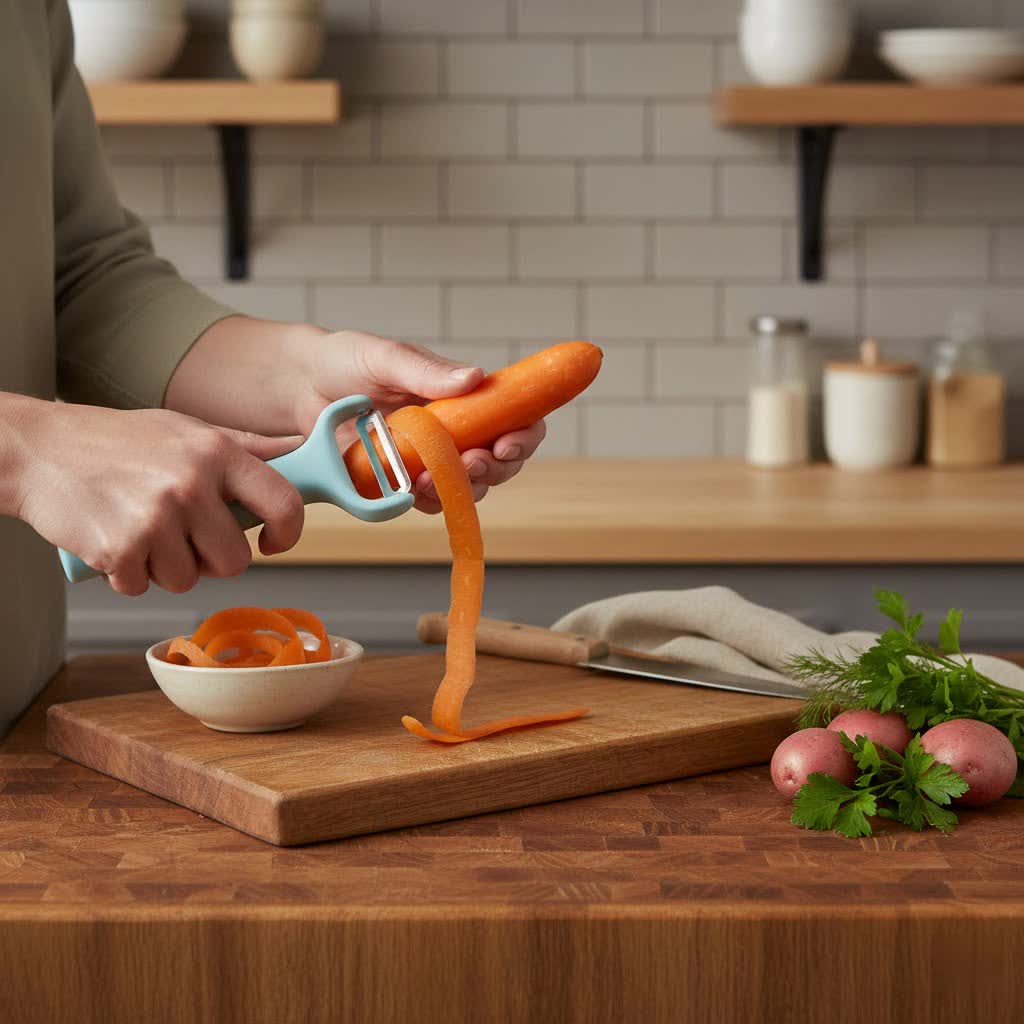
The humble peeler is an undisputed workhorse in any kitchen, simplifying everything from prepping potatoes for a holiday feast to thinly slicing vegetables for a fresh salad. Yet, the true power of this essential tool lies in its blade. For decades, home cooks and professional chefs alike have debated the merits of two primary materials: carbon steel and stainless steel. Choosing the right one can dramatically impact your peeling experience, influencing sharpness, durability, and maintenance. As an Admin with over a decade of experience in home appliances, particularly peelers, I’ve put countless blades to the test. Join me as we slice through the specifics to determine which blade material is best suited for your peeling needs.
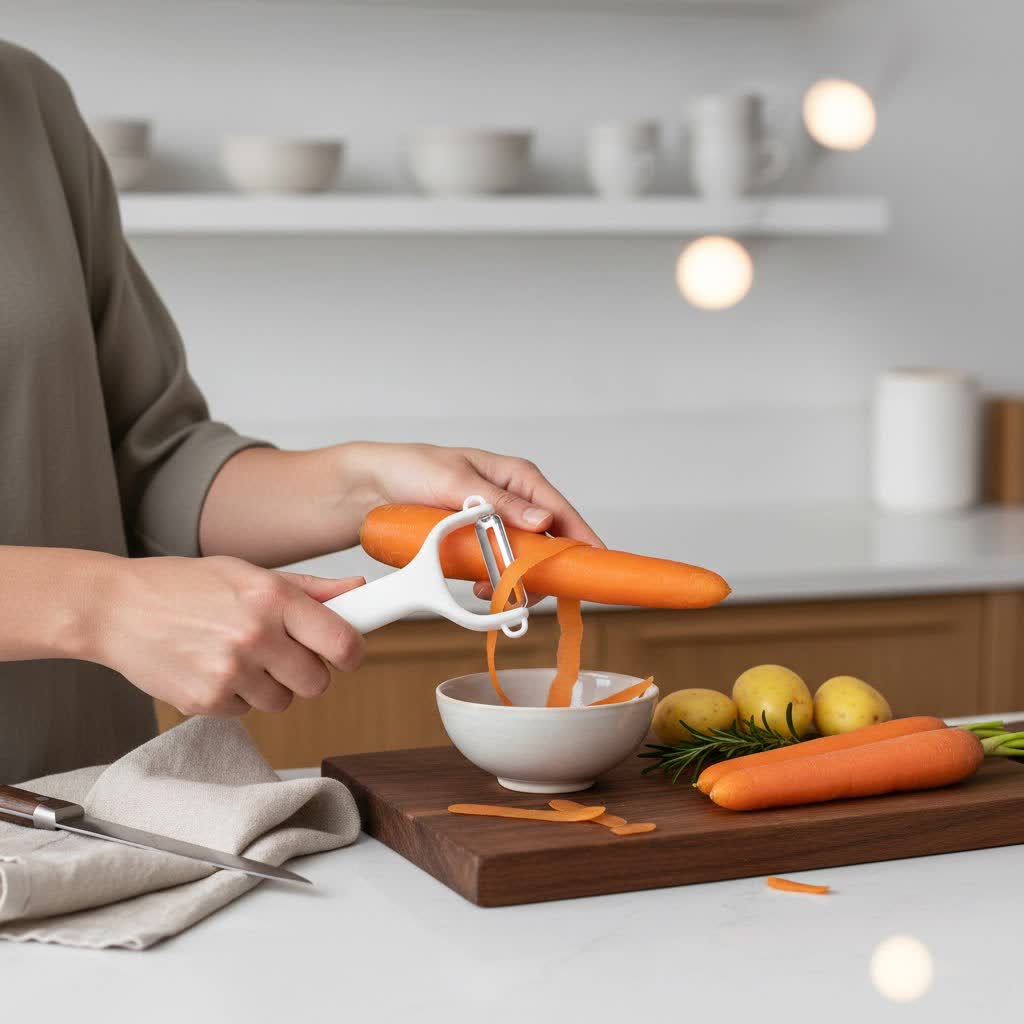
Understanding Peeler Blade Materials: Carbon Steel
Carbon steel, composed primarily of iron and carbon, is revered for its exceptional ability to achieve and maintain a razor-sharp edge. This material allows for an incredibly fine grind, resulting in blades that glide effortlessly through even the toughest skins, offering superior precision for delicate tasks. Many culinary enthusiasts laud carbon steel for its “crisper” initial sharpness compared to stainless steel. Furthermore, carbon steel blades are often easier to resharpen, allowing users to restore that coveted keen edge with relative ease.
However, the advantages of carbon steel come with specific considerations. Its Achilles’ heel is its low resistance to corrosion. Without proper care, carbon steel is highly susceptible to rust and staining when exposed to moisture and acidic foods. This necessitates diligent maintenance, including immediate cleaning and thorough drying after each use, often followed by a light application of food-grade mineral oil. While initially more affordable, the ongoing care demands might not appeal to every cook.
Understanding Peeler Blade Materials: Stainless Steel
Stainless steel blades offer a stark contrast to their carbon steel counterparts, primarily due to the addition of chromium (typically 10.5% or more), which forms a protective oxide film that grants its signature corrosion resistance. This makes stainless steel peelers remarkably low-maintenance, resisting rust and staining even with frequent exposure to moisture and acidic ingredients. They are often dishwasher-safe, offering unparalleled convenience for busy kitchens. Stainless steel is also known for its superior durability and toughness, making it less prone to chipping or bending under pressure. These blades generally maintain good sharpness over time and are a reliable choice for consistent performance.
While modern stainless steels can achieve impressive sharpness, they may not always match the initial, almost aggressive “bite” of a newly sharpened carbon steel blade. Resharpening stainless steel can also be more challenging and time-consuming, requiring more effort to restore its edge. Despite a potentially higher upfront cost, the longevity and minimal maintenance requirements of stainless steel often translate to long-term value.
Beyond the Basics: Specialized Peeler Blades
Beyond the fundamental debate between carbon and stainless steel, peeler blades also come in various designs tailored for specific tasks. Serrated blades, for instance, are designed with small teeth along the edge, making them ideal for gripping and peeling soft, delicate, or fuzzy-skinned produce like tomatoes, peaches, or kiwis without crushing them. The Kuhn Rikon Piranha Y Peeler is a notable example, praised for its serrated edge’s effectiveness on tough skins like butternut squash. Julienne blades feature a unique comb-like design that allows them to cut vegetables into uniform, thin strips, perfect for salads or garnishes. Both serrated and julienne blades can be found in either carbon or stainless steel, offering specialized functionality within each material’s characteristic properties.
Another material worth a brief mention is ceramic. Ceramic blades are renowned for their extreme sharpness and exceptional edge retention, often outlasting steel in this regard. They are also completely rust-proof and do not react with food, preventing browning. However, ceramic is inherently brittle and prone to chipping or breaking if dropped or handled carelessly, requiring delicate use.
Carbon Steel vs. Stainless Steel Peeler Blades: A Detailed Comparison
When weighing your options, a side-by-side comparison highlights the key differences:
| Feature | Carbon Steel Blades | Stainless Steel Blades |
|---|---|---|
| Initial Sharpness | Very High; “crisper” edge | High; slightly less “aggressive” feel than carbon steel |
| Edge Retention | Excellent; holds a fine edge for precision tasks | Good; maintains sharpness well, but may dull faster |
| Durability/Toughness | Good, but can be brittle (risk of chipping) | Superior; highly resistant to chipping and bending |
| Corrosion Resistance | Low; prone to rust and staining | Excellent; highly resistant to rust and corrosion |
| Maintenance | High; requires immediate cleaning, thorough drying, oiling | Low; easy to clean, often dishwasher-safe, no oiling needed |
| Resharpening Ease | Easy; quickly restores a razor-sharp edge | More challenging; requires more effort and specific tools |
| Cost (General) | Often slightly lower upfront | Often slightly higher upfront |
“The ‘best’ blade is the one that matches your workflow: exposure to moisture, sterilization method, storage conditions, and how frequently blades are changed during a procedure.” – Suzhou Texnet Co., Ltd.
Choosing the Best Peeler Blade for Your Kitchen (Buying Guide)
Selecting the ideal peeler blade hinges on understanding your personal cooking habits and priorities. Consider these factors:
Your Peeling Habits and Needs
- Frequency of Use: If you peel vegetables daily, especially a wide variety, a durable, low-maintenance stainless steel peeler might be your best friend. For occasional, precision tasks where an ultra-sharp edge is paramount, carbon steel could be a rewarding choice.
- Types of Produce: For robust, thick-skinned vegetables like potatoes or butternut squash, a tough stainless steel blade offers reliable performance. For delicate fruits or fine garnishes, the keen edge of carbon steel can excel.
- Kitchen Environment: In humid kitchens or if you often leave tools to air dry, stainless steel’s rust resistance is a significant advantage.
|
Our Picks for the Best Peeler in 2026
As an Amazon Associate I earn from qualifying purchases.
|
||
| Num | Product | Action |
|---|---|---|
| 1 | FUHUY Vegetable, Apple Peelers for kitchen, Fruit, Carrot, Veggie, Potatoes Peeler, Y-Shaped and I-Shaped Stainless Steel Peelers, with Ergonomic Non-Slip Handle & Sharp Blade, Good Sturdy (2PCS) |

|
| 2 | OXO Good Grips Swivel Peeler |
|
| 3 | KitchenAid Classic Euro Peeler, 8.6 inches, Black |
|
| 4 | OXO Good Grips Y-Peeler |
|
| 5 | Spring Chef Premium Swivel Vegetable Peeler, Soft Grip Handle and Ultra Sharp Stainless Steel Blades - Perfect Kitchen Peeler For Veggie, Fruit, Potato, Carrot, Apple - Black |
|
| 6 | Rainspire Vegetable Peeler Potato Peelers for Kitchen, Sharp Stainless Steel Blades Veggie, Comfortable Handle Fruit Peeler, Carrot Peeler Apple Peeler Dishwasher Safe Black, 1-Pack |
|
| 7 | Linden Sweden Original Jonas Vegetable Peeler - Rust Resistant Silver Carrot and Potato Peeler with Ergonomic Handle for Safety and Control - Dishwasher Safe and Compact - Made In Sweden - 6.5in |
|
| 8 | Kuhn Rikon Original Swiss Peeler 3-Pack Red/Green/Yellow |
|
| 9 | TACGEA Vegetable Peeler for Kitchen, Potato Peelers for Fruit Straight Blade, Durable Non-Slip Handle, Set of 2 |
|
| 10 | 2PCS Premium Vegetable Peeler with Wooden Handle and Bottle Opener, Multi-Functional Vegetable Peeler, Stainless Steel Blade Kitchen Tool for Fruit |
|
Maintenance Willingness
Are you someone who enjoys the ritual of maintaining your kitchen tools, including immediate hand-washing and oiling? If so, carbon steel could be a good fit. If convenience and throwing a peeler in the dishwasher are priorities, stainless steel is the clear winner. For many home cooks, the low maintenance of stainless steel peelers makes them a more practical choice.
Budget and Longevity
While carbon steel peelers often have a lower initial price point, remember to factor in the potential need for more frequent sharpening and meticulous care, which can be a time investment. High-quality stainless steel peelers, though potentially pricier upfront, offer long-term savings through their durability and minimal maintenance.
Top Peeler Blade Materials: What Experts Recommend
Drawing from years of experience and industry insights, high-quality stainless steel remains the most popular and generally recommended material for peeler blades for the vast majority of users. Its superior corrosion resistance, durability, and ease of care strike an excellent balance between performance and practicality in a busy kitchen. You’ll find many top-rated peelers, such as the Rösle Stainless Steel Wide Crosswise Swivel Peeler, utilizing stainless steel for its robust, long-lasting performance.
However, for those who value an exceptionally sharp edge and are committed to diligent maintenance, carbon steel offers an unparalleled peeling experience. The Kuhn Rikon Original Swiss Peeler, with its carbon steel blade, is a classic example lauded for its sharpness, though users must be mindful of its susceptibility to rust. Ultimately, the “best” choice truly comes down to balancing sharpness with your preferred level of maintenance.
Conclusion
The choice between carbon steel and stainless steel for your peeler blade boils down to a fundamental trade-off: unparalleled sharpness and ease of resharpening versus superior corrosion resistance and minimal maintenance. Carbon steel blades promise a razor-sharp edge for the most precise tasks, appealing to those who don’t mind the extra care required to prevent rust. Stainless steel, on the other hand, offers a robust, low-maintenance solution that resists corrosion and stands up to daily kitchen demands with excellent durability. Both materials excel in their own right, making your personal preferences and kitchen habits the ultimate deciding factors. Evaluate your needs, consider your willingness for maintenance, and choose the peeler blade that will empower you to prep your ingredients with confidence and ease. What’s your ultimate peeler blade preference and why?
Frequently Asked Questions
Is carbon steel safe for food?
Yes, carbon steel is generally safe for food preparation. However, it can react with acidic foods, potentially imparting a metallic taste or discoloring the food. Proper cleaning and seasoning (oiling) help mitigate these issues.
How do I prevent rust on a carbon steel peeler?
To prevent rust on a carbon steel peeler, always hand wash it immediately after use with warm, soapy water. Dry it thoroughly with a clean towel, then apply a thin layer of food-grade mineral oil before storing. Avoid leaving it wet or soaking.
Can stainless steel peelers be as sharp as carbon steel?
While modern advancements in stainless steel alloys allow for very sharp edges, they may not achieve the absolute razor-like sharpness of a high-quality carbon steel blade. However, for most everyday peeling tasks, a good stainless steel peeler offers more than sufficient sharpness.
What’s the best way to clean peeler blades?
For both carbon and stainless steel, hand washing with warm, soapy water and immediate drying is recommended to preserve blade integrity. Stainless steel peelers are often dishwasher-safe, but hand washing can prolong their sharpness. Avoid abrasive scrubbers on either type.