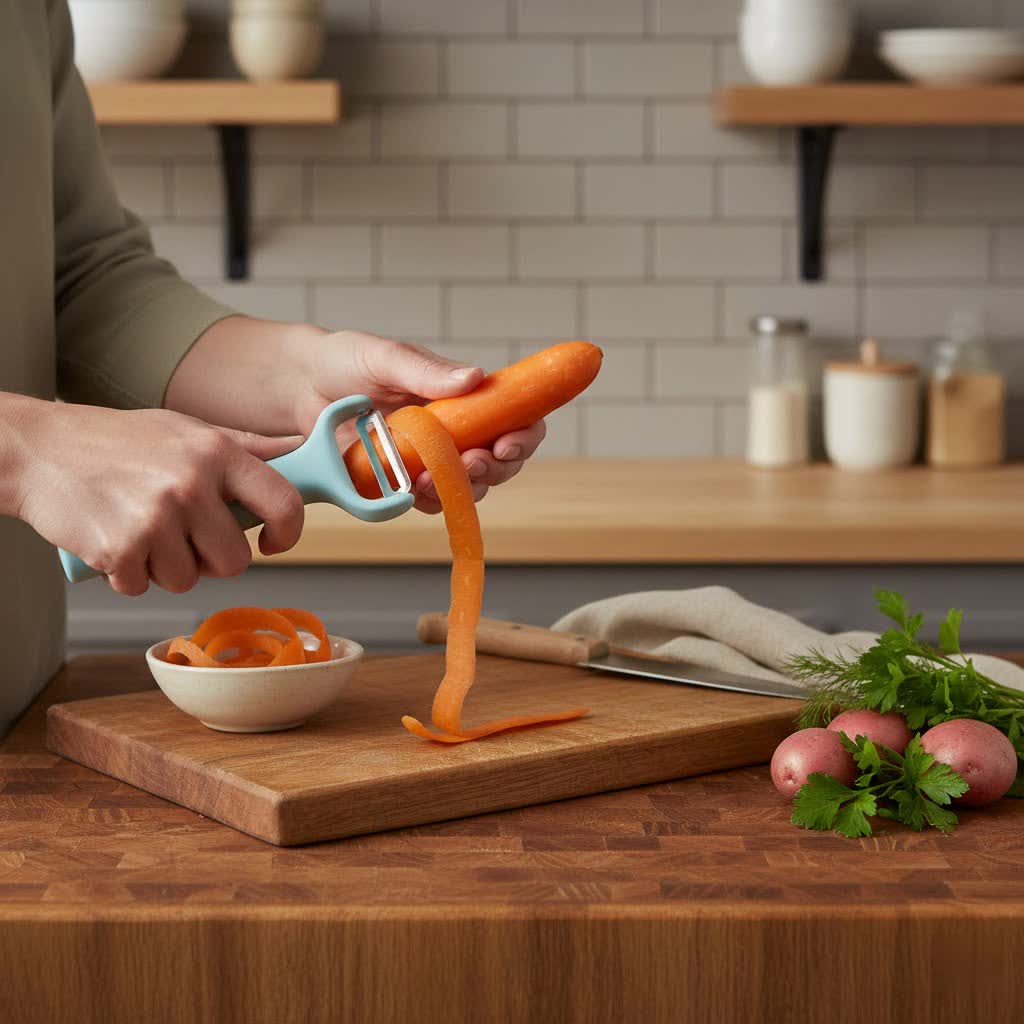
Peeling vegetables and fruits is a fundamental kitchen task, and the right peeler can transform a chore into a seamless experience. The heart of any peeler lies in its blade, with ceramic and stainless steel being the two most prominent materials vying for a spot in your kitchen drawer. But when it comes to long-lasting sharpness and overall performance, how do these two popular choices stack up against each other? Understanding the unique properties of each material is key to selecting the peeler that best suits your culinary needs and promises effortless peeling for years to come.
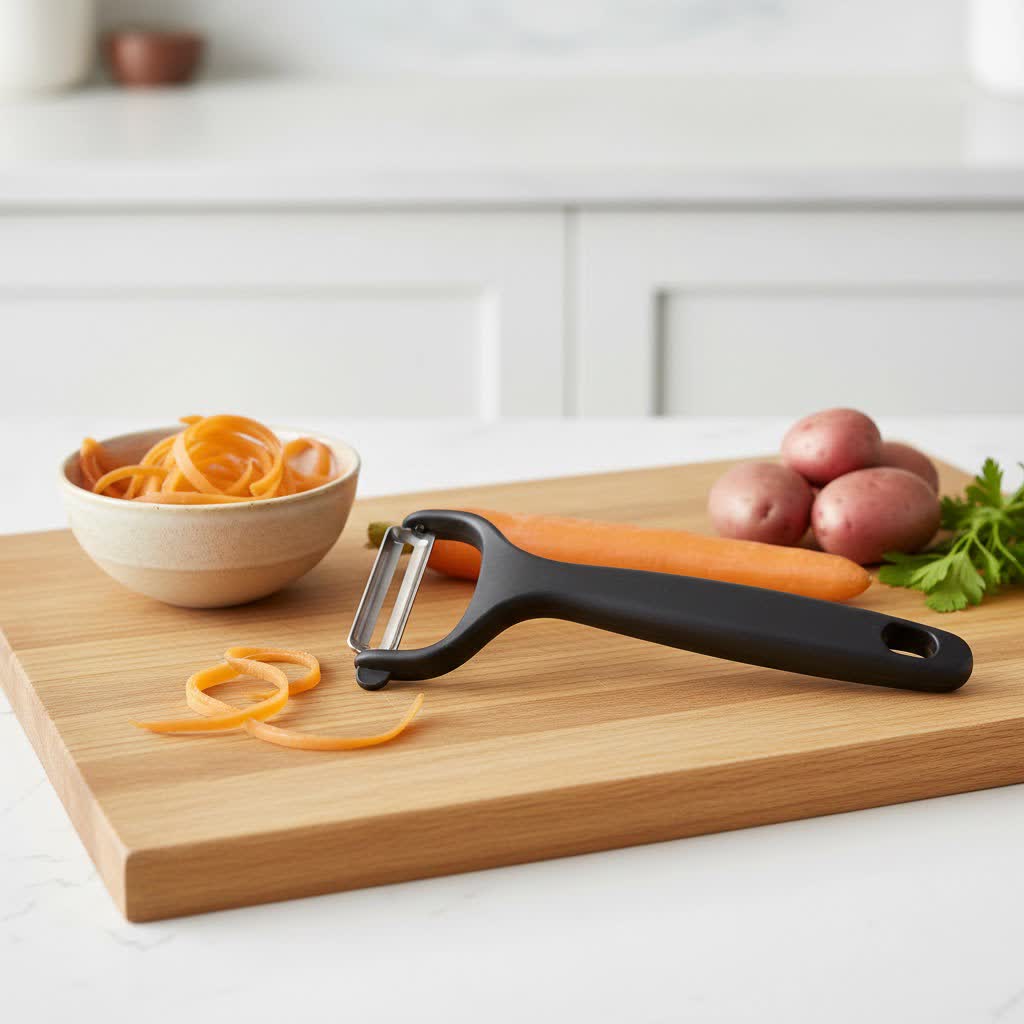
Common Peeler Types and Their Materials
While peelers come in various designs like Y-shaped or swivel, the blade material is arguably the most critical factor influencing performance and longevity. Most peelers feature blades made from either ceramic or stainless steel, each bringing a distinct set of characteristics to the table.
Ceramic Peelers
Ceramic peelers are renowned for their ultra-sharp edges and often striking aesthetic. Their blades are typically made from zirconium dioxide, a highly durable ceramic material.
-
Advantages:
- Exceptional Sharpness: Ceramic blades are incredibly sharp right out of the box, allowing them to glide through tough skins with minimal effort. They maintain their initial sharpness for an extended period, often staying sharp much longer than traditional metal blades.
- Edge Retention: One of the biggest draws of ceramic peelers is their superior edge retention. They are less prone to dulling through regular use compared to stainless steel.
- Corrosion and Rust Resistance: Ceramic is impervious to rust and corrosion, making it a low-maintenance option that won’t react with acidic foods or develop metallic odors. This also helps in minimizing food browning, especially beneficial when peeling apples or potatoes.
- Lightweight: Ceramic peelers are often lighter than their metal counterparts, which can reduce hand fatigue during extensive peeling tasks.
-
Disadvantages:
- Brittleness: Despite their hardness, ceramic blades are brittle and highly susceptible to chipping or breaking if dropped on a hard surface or twisted improperly. They require more careful handling than stainless steel.
- Resharpening Difficulty: Once a ceramic blade loses its edge or chips, it’s generally not easy to resharpen at home. Professional sharpening is usually required, or more commonly, the peeler is replaced.
- Cost: High-quality ceramic peelers can sometimes be more expensive upfront than basic stainless steel models.
-
Usage Tips:
- Use ceramic peelers for delicate fruits and vegetables, as well as those prone to browning, such as apples, potatoes, and pears.
- Avoid using them on extremely hard or frozen produce that might cause the blade to chip.
- Hand wash gently and store carefully to prevent accidental drops or impacts.
|
Our Picks for the Best Peeler in 2026
As an Amazon Associate I earn from qualifying purchases.
|
||
| Num | Product | Action |
|---|---|---|
| 1 | Rainspire Vegetable Peeler Potato Peelers for Kitchen, Sharp Stainless Steel Blades Veggie, Comfortable Handle Fruit Peeler, Carrot Peeler Apple Peeler Dishwasher Safe Black, 1-Pack |

|
| 2 | KitchenAid Classic Euro Peeler, 8.6 inches, Black |
|
| 3 | OXO Good Grips Swivel Peeler |
|
| 4 | Spring Chef Premium Swivel Vegetable Peeler, Soft Grip Handle and Ultra Sharp Stainless Steel Blades - Perfect Kitchen Peeler For Veggie, Fruit, Potato, Carrot, Apple - Black |
|
| 5 | TACGEA Vegetable Peeler for Kitchen, Potato Peelers for Fruit Straight Blade, Durable Non-Slip Handle, Set of 2 |
|
| 6 | Linden Sweden Original Jonas Vegetable Peeler - Rust Resistant Silver Carrot and Potato Peeler with Ergonomic Handle for Safety and Control - Dishwasher Safe and Compact - Made In Sweden - 6.5in |
|
| 7 | OXO Good Grips Y-Peeler |
|
| 8 | Kuhn Rikon Original Swiss Peeler 3-Pack Red/Green/Yellow |
|
| 9 | FUHUY Vegetable, Apple Peelers for kitchen, Fruit, Carrot, Veggie, Potatoes Peeler, Y-Shaped and I-Shaped Stainless Steel Peelers, with Ergonomic Non-Slip Handle & Sharp Blade, Good Sturdy (2PCS) |
|
| 10 | 2PCS Premium Vegetable Peeler with Wooden Handle and Bottle Opener, Multi-Functional Vegetable Peeler, Stainless Steel Blade Kitchen Tool for Fruit |
|
Stainless Steel Peelers
Stainless steel peelers are the workhorses of the kitchen, valued for their robustness and versatility. Their blades are typically made from various grades of stainless steel, sometimes including high-carbon content for enhanced edge retention.
-
Advantages:
- Durability and Toughness: Stainless steel is incredibly durable and less prone to breaking or chipping than ceramic. It can withstand accidental drops and a bit more rough handling, making it a robust choice for everyday use.
- Versatility: These peelers handle a wide range of produce with ease, from firm root vegetables like carrots and potatoes to softer items like peaches and tomatoes.
- Rust Resistance: Good quality stainless steel is highly resistant to rust and corrosion, ensuring a long lifespan.
- Sharpening Capability: Unlike ceramic, stainless steel blades can be easily resharpened at home using standard knife sharpeners or honing steels, extending their useful life indefinitely.
- Affordability: Stainless steel peelers are widely available and often more affordable, especially for entry-level models.
-
Disadvantages:
- Edge Retention: While sharp, stainless steel blades may not hold their edge as long as ceramic and may require more frequent sharpening, especially with heavy use.
- Potential for Reaction: Though rare with high-quality stainless steel, some lower-grade steels might react with highly acidic foods over time, or impart a slight metallic taste.
- Weight: They can sometimes be heavier than ceramic peelers, which might lead to more hand fatigue during prolonged tasks.
-
Usage Tips:
- Ideal for all-around peeling, including tough-skinned vegetables.
- While many are dishwasher safe, hand washing is recommended to preserve the blade’s sharpness and longevity.
- Regular honing or occasional sharpening will keep your stainless steel peeler performing at its best.
Comparing Peeler Materials: Ceramic vs. Stainless Steel
The decision between ceramic and stainless steel largely boils down to balancing sharpness, durability, and maintenance. Both materials offer distinct advantages, making them suitable for different users and kitchen environments.
Detailed Comparison Table
| Feature | Ceramic Peelers | Stainless Steel Peelers |
|---|---|---|
| Initial Sharpness | Extremely sharp | Very sharp |
| Edge Retention | Excellent, stays sharp significantly longer | Good, may require more frequent sharpening |
| Durability | Prone to chipping/breaking if dropped (brittle) | Highly durable, resistant to breaking/chipping (tough) |
| Rust Resistance | Excellent (will not rust) | Excellent (highly resistant) |
| Reactivity | Non-reactive, prevents food browning, no metallic taste | Non-reactive with good quality steel |
| Resharpening | Difficult for home users, often requires replacement | Easy to resharpen at home |
| Maintenance | Hand wash, careful storage | Hand wash recommended (dishwasher safe, but may dull) |
| Weight | Generally lighter | Can be heavier |
| Cost | Can be higher for quality models | Generally more affordable |
Comparing these materials highlights their core differences. Ceramic wins on sustained sharpness and rust resistance, while stainless steel excels in overall durability and ease of resharpening.
Guide to Choosing Your Ideal Peeler
Selecting the right peeler involves more than just picking a blade material; it’s about matching the tool to your cooking habits, preferences, and the types of produce you typically handle.
Factors to Consider
- Blade Material:
- Stainless Steel: If you prioritize a robust tool that can handle accidental drops, is versatile for all produce, and can be easily resharpened, stainless steel is an excellent choice. High-carbon stainless steel offers superior edge retention.
- Ceramic: For those who value extreme, long-lasting sharpness and work with delicate foods, a ceramic peeler offers a refined peeling experience. Be prepared for its fragility.
- Handle Design: An ergonomic handle made from comfortable materials like silicone, rubber, or well-finished plastic can significantly reduce hand fatigue, especially during large prep tasks. Ensure it provides a secure grip, even when wet.
- Durability and Longevity: Consider the overall construction. A peeler with a sturdy connection between the blade and handle will last longer. Stainless steel models generally offer superior long-term durability.
- Price and Brand Reputation: Investing in a reputable brand often guarantees better material quality and craftsmanship. While ceramic peelers can be pricier, there are excellent, affordable stainless steel options that offer great value.
Expert Advice for Peeler Longevity
Choosing the right peeler is just the first step; proper care is crucial for maintaining its performance and extending its lifespan.
“A peeler, regardless of its blade material, is an extension of your hand in the kitchen. Treat it with care, and it will serve you well for years, making your meal prep more efficient and enjoyable.”
- Matching Peeler to Produce: Use a ceramic peeler for thin-skinned fruits and vegetables, or those that brown quickly. Reserve sturdy stainless steel peelers for tougher-skinned items.
- Cleaning and Storage: Hand washing is almost always preferred over dishwashers, as harsh detergents and high heat can dull blades over time, particularly for stainless steel. Store your peeler safely to prevent accidental drops (for ceramic) or dulling against other utensils.
- Sharpening (for Stainless Steel): Regularly hone your stainless steel peeler blade with a ceramic rod or fine-grit sharpening stone. If it becomes dull, a few passes on a pull-through sharpener can restore its edge.
Top Peeler Choices: Balancing Sharpness and Durability
Both ceramic and stainless steel peelers have earned their place in kitchens around the world, and many top brands offer excellent options in both categories.
Top Ceramic Peeler Picks
Kyocera is a leading name in ceramic kitchen tools, known for its ultra-sharp zirconia blades. Their ceramic peelers are celebrated for their ability to glide effortlessly through produce, making them a favorite for tasks where precision and minimal browning are key. They are lightweight and comfortable, though users must be mindful of their fragility.
Top Stainless Steel Peeler Picks
Brands like Kuhn Rikon are frequently praised for their incredibly sharp and durable carbon steel (a type of steel, similar in function to stainless for peelers) and stainless steel peelers. Many home cooks appreciate the robustness and consistent performance of stainless steel, often preferring them for everyday, all-purpose peeling tasks. These peelers are designed to withstand frequent use and are easy to maintain with proper care.
Ultimately, the “best” peeler often comes down to personal preference. Some chefs keep both types on hand, utilizing ceramic for delicate tasks and stainless steel for heavier duty peeling.
Conclusion
The debate between ceramic and stainless steel peelers centers on two key attributes: sharpness and durability. Ceramic blades offer unparalleled, long-lasting sharpness and are immune to rust, making them perfect for delicate ingredients. However, their brittleness means they require careful handling. Stainless steel peelers, on the other hand, boast superior toughness and versatility, are easily resharpened, and can withstand the rigors of a busy kitchen, though they may require more frequent maintenance to retain their edge.
Your ideal peeler will depend on your personal cooking style, the types of food you prepare most often, and your willingness to maintain the tool. Whether you prioritize the precise, extended sharpness of ceramic or the resilient, versatile nature of stainless steel, choosing a high-quality peeler will undoubtedly enhance your kitchen experience.
Which material do you find works best for your everyday peeling needs?
Frequently Asked Questions
Can you sharpen a ceramic peeler?
Sharpening a ceramic peeler at home is challenging due to the hardness of the material and the specific tools required. Most often, if a ceramic blade chips or significantly dulls, it is replaced rather than sharpened.
Do ceramic peelers last longer than stainless steel?
Ceramic peelers can hold their sharpness longer than stainless steel with careful use. However, stainless steel peelers are generally more durable in terms of resisting chips and breaks from impact, potentially giving them a longer overall lifespan if ceramic isn’t handled delicately.
Are ceramic peelers safe to use?
Yes, ceramic peelers are safe to use. Their extreme sharpness means less force is required, which can reduce the risk of slips. However, their brittle nature means they can chip, and care should be taken to avoid dropping them or twisting the blade.
Why does my stainless steel peeler get dull quickly?
A stainless steel peeler might get dull quickly if it’s a lower quality steel, used frequently on very hard produce, or regularly washed in a dishwasher. Dishwashers can accelerate dulling due to abrasive detergents and high heat. Regular hand washing and occasional honing can help maintain its edge.