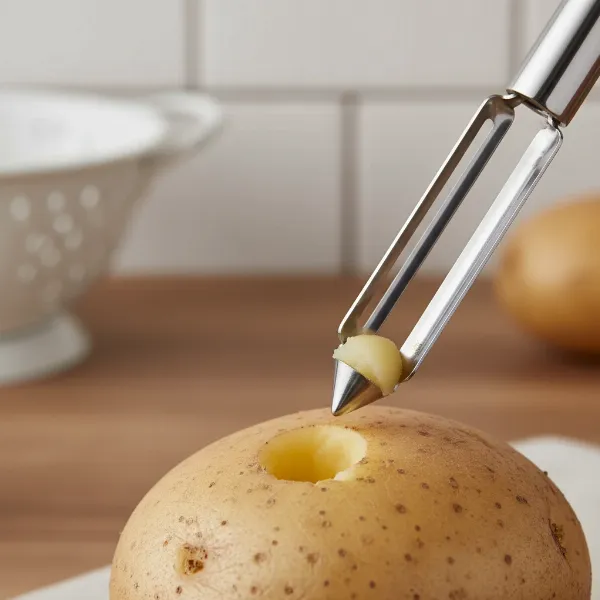
The humble peeler is an unsung hero in countless kitchens, effortlessly transforming raw produce into culinary masterpieces. Among its many forms, the swivel peeler stands out for its adaptable, pivoting blade, designed to glide smoothly over irregular surfaces. Yet, this very feature—the pivot point—often becomes a neglected hub for grime, impacting performance and hygiene. Over time, vegetable debris, starch, and moisture can accumulate in this intricate joint, leading to a sticky, inefficient, and potentially unsanitary tool.
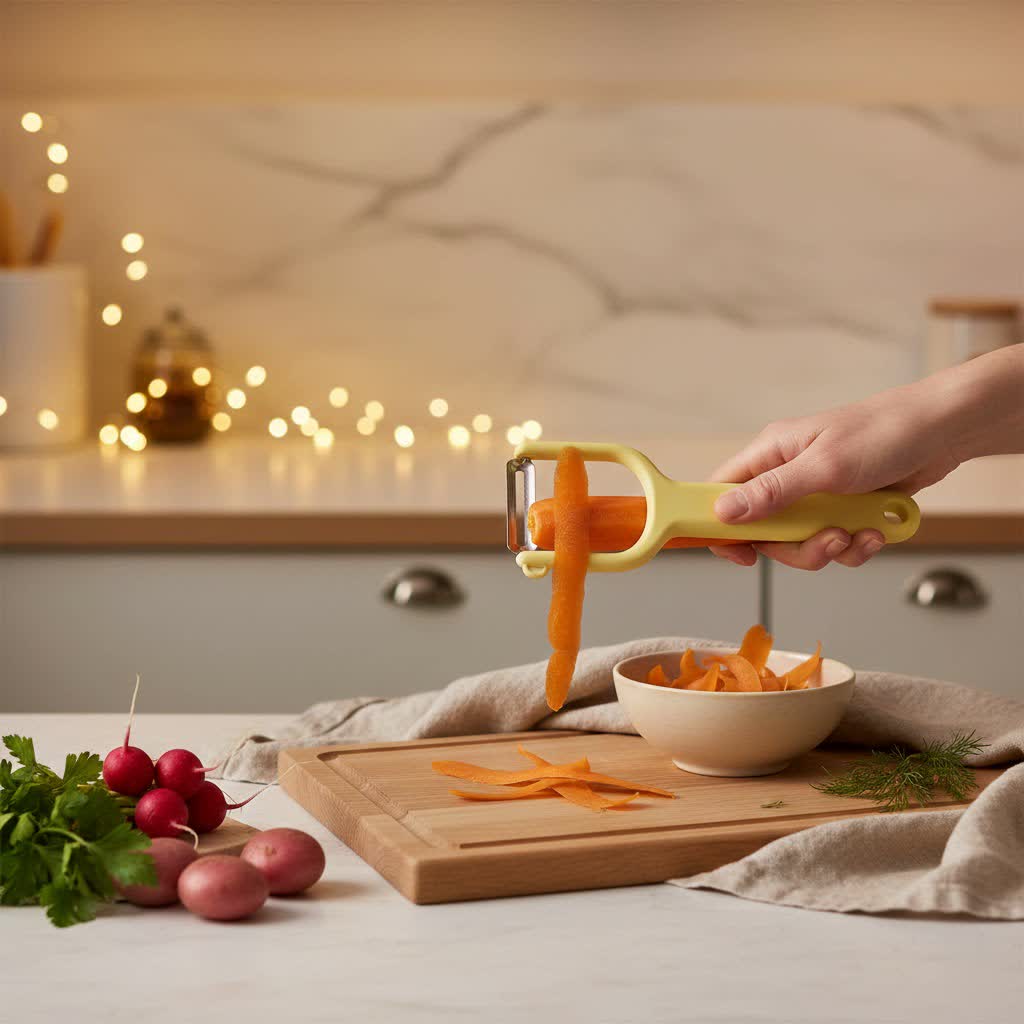
A well-maintained peeler is not just about aesthetics; it’s about efficiency, safety, and food hygiene. When the pivot point of your swivel peeler becomes clogged, its blade loses its characteristic flexibility, making peeling a frustrating and strenuous task. More critically, these hidden nooks and crannies create an ideal breeding ground for bacteria, posing a silent threat to your kitchen’s cleanliness. This guide will walk you through a comprehensive deep-cleaning process specifically targeting the pivot point, ensuring your swivel peeler remains sharp, hygienic, and ready for any culinary challenge.
Understanding Swivel Peelers: Why the Pivot Point Matters
Swivel peelers are distinguished by their double-edged blade mounted on an axle, allowing it to “swivel” or pivot as you peel. This design is incredibly effective for conforming to the contours of fruits and vegetables, providing a consistent peel with minimal effort. The flexibility of this moving blade is what makes it so versatile, adapting to everything from a bumpy potato to a slender carrot.
The pivot point, essentially the joint where the blade connects to the peeler’s handle, is crucial for this smooth operation. When clean, it allows the blade to rotate freely, ensuring effortless peeling. However, this small, often overlooked area is highly susceptible to buildup. Starchy residues from potatoes, fibrous bits from carrots, and sticky sap from certain fruits can all lodge themselves within this mechanism. Once dried, these particles can cement the blade in place, hindering its swivel action and making your peeler frustratingly rigid.
The Unseen Grime: Why Deep Clean Your Swivel Peeler’s Pivot Point?
Neglecting the intricate pivot point of your swivel peeler can have several detrimental effects, extending beyond mere inconvenience. Deep cleaning this area is paramount for maintaining both the functionality and safety of your kitchen tool. It’s an essential practice that ensures your peeler performs at its best, every time.
First and foremost, hygiene is critical. The crevices around the pivot point are prime locations for food particles to accumulate and dry, creating an environment where bacteria can thrive. Regular deep cleaning eliminates these hidden reservoirs of grime, preventing potential cross-contamination and ensuring your food preparation surfaces remain sanitary. A peeler that harbors old food residue isn’t just unpleasant; it can compromise the safety and quality of your meals.
Beyond hygiene, deep cleaning directly impacts your peeler’s performance. When the pivot point is clogged, the blade cannot swivel freely, reducing its efficiency and requiring more force to peel. This not only makes the task harder but also increases the risk of the blade slipping, leading to potential injuries. A clean, freely moving pivot ensures the blade can adapt to the contours of produce, providing a smooth, effortless experience and maintaining the blade’s effective sharpness.
Finally, proper cleaning significantly extends the lifespan of your peeler. Constant moisture and organic debris trapped in the pivot can lead to corrosion and rust, especially on metal components. Rust can degrade the peeler’s structure, weaken its moving parts, and eventually render it unusable. By regularly removing buildup and ensuring thorough drying, you protect your investment, keeping your peeler functional and robust for years to come.
Essential Tools for Effective Deep Cleaning
Deep cleaning the pivot point of your swivel peeler doesn’t require specialized equipment. Many of the most effective tools are likely already in your kitchen or bathroom cabinet. Gathering these simple items before you begin will streamline the cleaning process and ensure you can tackle even the most stubborn grime. The right tools allow for precision cleaning without damaging the delicate mechanism of the peeler.
Here’s a breakdown of the essential items you’ll need and why they are effective:
| Tool | Purpose | Notes |
|---|---|---|
| Dish Soap | Cuts through grease and loosens general food debris. | Choose a mild but effective dish soap. |
| Warm Water | Helps to soften dried-on food particles and aids in dissolving soap and other cleaning solutions. | Essential for rinsing and soaking. |
| Old Toothbrush | Reaches into tight crevices, especially around the pivot point and blade attachment. | The bristles are perfectly sized to dislodge stubborn grime without scratching the surface. Designate an old toothbrush solely for kitchen cleaning. |
| White Vinegar | Excellent for breaking down mineral deposits, dissolving tough grime, and combating rust. | Its acidic properties make it a powerful natural cleaner. |
| Baking Soda | A mild abrasive paste for stubborn, caked-on residue and light rust. | Can be mixed with water to form a paste. Gentler than commercial abrasives, it won’t scratch surfaces. |
| Soft Sponge/Cloth | For general scrubbing of the handle and wider blade areas, and for initial rinsing. | Avoid abrasive scouring pads which can scratch the peeler’s finish. |
| Dry Cloth | Crucial for thorough drying to prevent rust and water spots. | Microfiber cloths are ideal for their absorbency. |
| Gloves (Optional) | Protects hands from sharp blades and cleaning solutions. | Recommended for safety and comfort, especially if you have sensitive skin or are using vinegar for an extended period. |
> “A clean peeler isn’t just about hygiene; it’s about respect for your ingredients and efficiency in the kitchen. Overlooking the pivot point is like ignoring the engine of a finely tuned machine.” – Chef Antoine Dubois, Culinary Equipment Specialist
Step-by-Step Guide to Deep Cleaning a Swivel Peeler’s Pivot Point
Deep cleaning your swivel peeler’s pivot point might seem daunting, but by following these detailed steps, you can restore its functionality and ensure optimal hygiene. Remember to always handle the blade with extreme care throughout the process.
1. Preparation and Safety First:
Before you begin, ensure you have a clear workspace and all your cleaning tools are within reach. Put on gloves if you choose to. Always be mindful of the sharp blade. Position the peeler so the blade is away from your fingers to prevent accidental cuts.
2. Initial Rinse Under Warm Water:
Hold your peeler under warm running water. This initial rinse helps to dislodge any loose food particles and softens any dried-on vegetable bits, making subsequent cleaning steps much easier. Focus the water flow around the pivot point to help loosen surface grime.
3. Apply Dish Soap and Gentle Scrubbing:
Apply a small drop of mild dish soap to a soft sponge or cloth. Gently scrub the entire peeler, including the handle and the exposed parts of the blade. Pay particular attention to any visible crevices, but avoid direct scrubbing on the sharp edge with too much force. The goal here is to address general surface dirt before moving to the specific target area.
4. Targeting the Pivot Point with a Toothbrush:
This is the most critical step for deep cleaning the pivot. Apply a small amount of dish soap to the bristles of an old toothbrush. Carefully position the toothbrush into the narrow gaps around the swivel joint and the blade’s attachment points. Use short, gentle scrubbing motions to work the bristles into all the tight spaces where grime tends to accumulate. Rotate the blade carefully to expose all sides of the pivot point for thorough cleaning. You’ll likely see dark residues loosening and washing away.
5. Tackling Stubborn Buildup and Rust:
If the pivot point is particularly sticky, stained, or shows signs of light rust, a more intensive approach is needed.
- Vinegar Soak: Fill a small bowl with warm water and add a few tablespoons of white vinegar. Submerge only the blade and pivot point of the peeler in this solution for about 5 to 10 minutes. The acidity of the vinegar will help break down mineral deposits, tough grime, and mild rust.
- Baking Soda Paste: For very stubborn spots, especially if you notice a pasty residue, mix baking soda with a tiny amount of water to form a thick paste. Apply this paste directly to the pivot point and gently scrub with your toothbrush. The mild abrasive nature of baking soda can help lift caked-on debris without scratching the metal.
6. Final Thorough Rinse:
After scrubbing and, if necessary, soaking, rinse the peeler thoroughly under warm running water. Ensure all traces of soap, vinegar, baking soda, and dislodged grime are completely washed away. Any residue left behind can attract new dirt or cause staining. Continue rinsing until the water runs clear and the peeler feels completely clean.
7. Thorough Drying is Essential:
This step is crucial for preventing rust, especially for metal peelers. First, shake off as much excess water as possible. Then, use a clean, dry cloth to meticulously wipe down the entire peeler, paying extra attention to the pivot point and any metal components. For best results, allow the peeler to air dry completely before storing it. Ensuring no moisture remains will significantly extend its lifespan and prevent corrosion.
Expert Tips for Peeler Maintenance and Care
Beyond the deep-cleaning process, incorporating a few simple habits into your kitchen routine can dramatically extend the life and efficiency of your swivel peeler. These expert tips focus on preventative measures and best practices that minimize buildup and maintain your peeler’s optimal condition.
Firstly, rinse your peeler immediately after each use. This is perhaps the simplest yet most effective preventative measure. Fresh food particles are much easier to remove under warm running water than dried-on, hardened debris that can accumulate in the pivot point. A quick rinse prevents the majority of buildup that necessitates deep cleaning later.
Proper storage is another critical factor. Humidity is the enemy of metal, encouraging rust and corrosion. After cleaning and drying your peeler thoroughly, store it in a dry drawer or on a knife magnet where it’s not exposed to excess moisture. Avoid leaving it to air dry indefinitely on a dish rack, especially if your kitchen is prone to humidity.
While convenient, exercise caution with dishwashers. Many modern peelers are labeled “dishwasher-safe,” but prolonged exposure to high heat and harsh detergents can dull blades and potentially damage plastic handles or delicate pivot mechanisms over time. For peelers with wooden handles or precision blades, handwashing is almost always the gentler and more thorough option.
Lastly, avoid harsh chemicals and abrasive cleaning tools. While deep cleaning aims to remove tough grime, using strong solvents like bleach or abrasive scouring pads can damage the peeler’s finish, dull the blade, or compromise its materials. Stick to mild dish soap, vinegar, and baking soda as recommended for safe and effective cleaning. If your peeler’s pivot point becomes irreparably sticky, stiff, or the blade is too dull to sharpen, it might be time for a replacement.
Conclusion
The swivel peeler, a small but mighty ally in the kitchen, truly shines when its pivot point is clean and free-moving. By dedicating a little time to deep cleaning this often-overlooked area, you not only ensure optimal hygiene, preventing the buildup of bacteria and food residues, but also restore the smooth, effortless functionality that makes peeling a joy, not a chore. This care extends the life of your peeler, safeguarding your investment and contributing to a safer, more efficient cooking environment.
Remember, a simple regimen of immediate rinsing after use, combined with periodic deep cleaning using common household items, is all it takes to keep your peeler performing at its peak. Don’t let a sticky pivot point diminish your culinary experience. Embrace these cleaning practices and enjoy the swift, precise cuts a well-maintained peeler offers. What’s your go-to tip for keeping your peelers in pristine condition?
Frequently Asked Questions
How often should I deep clean my swivel peeler?
|
Our Picks for the Best Peeler in 2026
As an Amazon Associate I earn from qualifying purchases.
|
||
| Num | Product | Action |
|---|---|---|
| 1 | TACGEA Vegetable Peeler for Kitchen, Potato Peelers for Fruit Straight Blade, Durable Non-Slip Handle, Set of 2 |

|
| 2 | Rainspire Vegetable Peeler Potato Peelers for Kitchen, Sharp Stainless Steel Blades Veggie, Comfortable Handle Fruit Peeler, Carrot Peeler Apple Peeler Dishwasher Safe Black, 1-Pack |
|
| 3 | Linden Sweden Original Jonas Vegetable Peeler - Rust Resistant Silver Carrot and Potato Peeler with Ergonomic Handle for Safety and Control - Dishwasher Safe and Compact - Made In Sweden - 6.5in |
|
| 4 | Kuhn Rikon Original Swiss Peeler 3-Pack Red/Green/Yellow |
|
| 5 | Spring Chef Premium Swivel Vegetable Peeler, Soft Grip Handle and Ultra Sharp Stainless Steel Blades - Perfect Kitchen Peeler For Veggie, Fruit, Potato, Carrot, Apple - Black |
|
| 6 | 2PCS Premium Vegetable Peeler with Wooden Handle and Bottle Opener, Multi-Functional Vegetable Peeler, Stainless Steel Blade Kitchen Tool for Fruit |
|
| 7 | OXO Good Grips Y-Peeler |
|
| 8 | FUHUY Vegetable, Apple Peelers for kitchen, Fruit, Carrot, Veggie, Potatoes Peeler, Y-Shaped and I-Shaped Stainless Steel Peelers, with Ergonomic Non-Slip Handle & Sharp Blade, Good Sturdy (2PCS) |
|
| 9 | KitchenAid Classic Euro Peeler, 8.6 inches, Black |
|
| 10 | OXO Good Grips Swivel Peeler |
|
For regular users, a deep clean of the pivot point every few weeks is ideal. If you use your peeler infrequently or notice it becoming stiff or dirty, clean it immediately. Daily rinsing after each use significantly reduces the need for frequent deep cleaning.
Can I put my swivel peeler in the dishwasher?
While some manufacturers claim their peelers are dishwasher-safe, handwashing is generally recommended, especially for metal blades or those with wooden handles. Dishwashers’ high heat and harsh detergents can dull blades, damage handles, and potentially affect the pivot mechanism over time.
What if my peeler is rusty?
For light rust on metal parts, a soak in a warm water and white vinegar solution for 5-10 minutes, followed by scrubbing with a toothbrush and baking soda paste, can be very effective. If the rust is extensive and compromises the peeler’s integrity or performance, it might be safer to replace the tool.
Can I use other cleaners like bleach?
It’s strongly advised to avoid harsh chemical cleaners like bleach, ammonia, or abrasive scouring pads. These can damage the peeler’s materials, dull the blade, and potentially leave residues that are unsafe for food contact. Stick to mild dish soap, white vinegar, and baking soda.
How do I know if my peeler’s pivot point is clean enough?
A clean pivot point will allow the blade to swivel freely and smoothly with minimal resistance. If the blade moves without catching or sticking, and you see no visible food particles or discoloration in the joint, it’s likely clean enough. Test its movement after drying.